

 Decking Calculator



Hybrid flooring’s durable vinyl and laminate construction, long-term durability, water resistance, and design flexibility make it a popular indoor fixture among Australian homeowners.
If you’re building a new home or refurbishing your current indoor space, hybrid flooring can exceed your long-term expectations. As a trusted Sydney hybrid flooring specialist with over 25 years of industry experience, we can offer unique insights and guidance to help you get started..
Key Takeaways
- Proper subfloor preparation is essential — uneven, dirty, or damp surfaces lead to gaps, creaking, and poor locking of hybrid planks.
- Leaving adequate expansion gaps around the room perimeter prevents buckling and lifting as the floor expands and contracts.
- Incorrect use of the click‑lock system or forcing planks can damage edges and weaken joins.
- Failing to install appropriate moisture barriers, especially over concrete subfloors, increases the risk of swelling and water damage.
- Hybrid flooring performance and longevity depend on meticulous preparation, correct installation technique, and compliance with product‑specific instructions.
This blog outlines common mistakes to avoid when selecting hybrid flooring, empowering you to take control of your home environment and enjoy a higher quality of life. For a broader overview, see our guide on how to choose the best hybrid flooring for your home.
Hybrid Flooring Explained
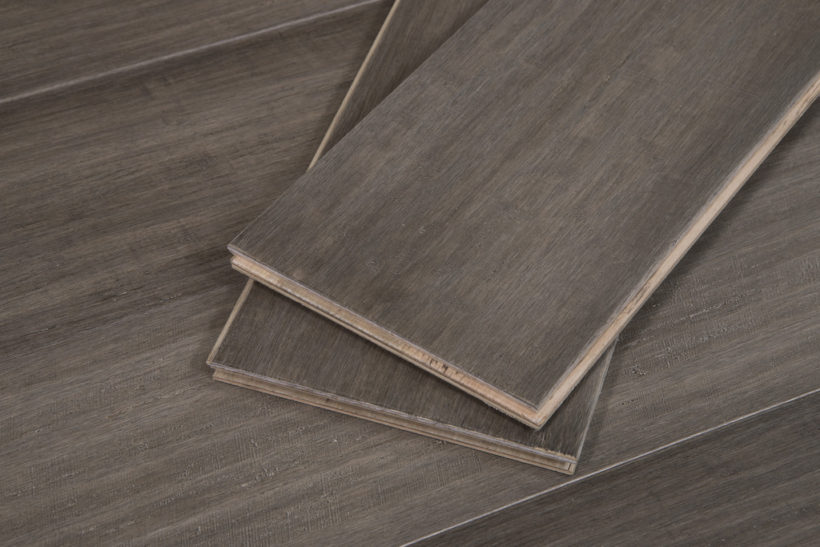
As the term suggests, hybrid flooring combines vinyl and laminate to create a durable, long-lasting indoor fixture. It is composed of four layers, including:
- Protective wear layer: This layer improves scratch resistance and long-term resilience.
- Decorative layer: This layer mimics the look and feel of natural stone or timber, enhancing visual appeal.
- Rigid core layer: This layer is made of stone plastic composite (SPC) or wood plastic composite (WPC) to provide stability, durability, and moisture resistance. The rigid core layer makes hybrid flooring appropriate for demanding indoor settings.
- Underlayment: This layer addresses noise and moisture issues, improving comfort, performance, and longevity.
Common Hybrid Flooring Issues
Understanding the potential issues associated with hybrid flooring enables homeowners to take preventive measures and make informed purchasing decisions. These issues and causes include:
- Surface damage and wear: Premium hybrid flooring brands can resist scratches, dents, and stains. On the other hand, inferior brands with weak coatings or thin wear layers are prone to surface damage.
As reputable Brisbane hybrid flooring experts, we recommend choosing only products with wear layers measuring at least 0.5 mm for indoor home environments and at least 0.7 mm for commercial spaces.
- Colour fade: Intense sunlight may cause the coatings of low-quality hybrid flooring to fade over time. Conversely, premium hybrid floors offer better UV resistance, preserving the colours and long-term visual appeal.
- Faulty click mechanisms: Thin core layers and core blends inappropriate for Australia’s climate can affect click mechanisms, creating gaps or breaks when exposed to harsh sunlight or extreme heat.
Assembly Issues
Improper installation can also lead to hybrid flooring issues, including:
- Expansion and contraction: Built-in kitchens, custom cabinetry, balustrades, timber screens, and fireplace hearths placed directly atop hybrid flooring can hinder its natural ability to contract and expand naturally with temperature changes.
Restricted movement can stress the end joints and cause them to separate or crack. We recommend following the best floating floor installation practices to prevent this scenario.
- Insufficient expansion gaps: Inefficient assembly can create insufficient expansion gaps, which may stress or damage the floor. An inferior-quality core layer or extreme heat can worsen the situation. We recommend following the manufacturer’s installation guidelines for creating the appropriate expansion gaps to enjoy long-lasting hybrid flooring.
- Incorrect subfloor preparation: Ensure that your subfloors are flat to prevent excess pressure on the hybrid flooring’s clicking mechanism. A flat subfloor ensures a sturdy foundation, comfortable use, and long-term durability. Board thickness also plays a role here; see our comparison of 6.5mm vs 9mm hybrid flooring.
- Improper sealing: Applying rigid sealants around the perimeter joints can prevent expansion or cause buckling, shifting, or joint separation. Furthermore, some sealants have harsh chemicals that can deteriorate the wear layer, discolour the surface, or warp the core material.
These substances can also permeate click-lock joints, weaken joint integrity, or prevent proper engagement. Harsh sealants can also trap moisture and encourage mould growth, distorting the planks or damaging the subfloor. These adhesives can also void product warranties and lead to costly repairs over time. To ensure a seamless hybrid floor assembly, use the appropriate sealants as recommended by your manufacturer.
Reasons Behind Hybrid Floor Issues
Understanding the reasons behind hybrid floor issues enables homeowners to take preventive and proactive measures for their indoor home environments, enhancing long-term comfort and safety while ensuring a high return on investment.
- Climate changes: Temperature fluctuations during the day or high humidity can damage hybrid flooring, which reacts more to heat than to moisture.
- Inferior-quality materials: Subpar materials with core blends incompatible with Australia’s climate can compromise hybrid flooring.
- Incorrect installation: Pinning a floating floor or creating inappropriate expansion gaps can stress or damage hybrid flooring. Indoor areas exposed to harsh sunlight or extreme heat should have sufficient expansion gaps to encourage proper thermal expansion, prevent buckling, avoid installation failure, and maintain warranty compliance.
Tips to Ensure Durable Hybrid Flooring
Following best hybrid flooring practices ensures durability and a long lifespan, prevents costly repairs, and delivers a high return on investment. These include:
- Choose premium hybrid flooring: As an experienced supplier of Gold Coast hybrid flooring, we recommend choosing premium versions with durable wear, decorative, and core layers and efficient click-lock mechanisms that can endure extreme temperatures. Choose a proven brand with a reputable track record. If you’re unsure, consult your local flooring manufacturer for recommendations.
- Hire professional installers: Highly experienced hybrid flooring specialists leave adequate expansion gaps and use a polythene slip sheet to ensure smooth movement over subfloors. Hiring professional installers ensures your hybrid flooring has no issues, delivering long-term peace of mind.
- Protect from harsh sunlight and extreme temperatures: Hybrid flooring reacts to harsh sunlight and heat. Consider using blinds, curtains, shade sails, or other similar structures to prevent heat exposure, buckling, and long-term damage.
- Clean gently: Use a soft-bristled broom or a vacuum cleaner once or twice weekly to eliminate loose dirt from the surface. Alternatively, clean the floor with a damp microfibre mop and with a pH-neutral cleaner once weekly or as needed.
Remedies for Common Hybrid Flooring Issues
The following strategies allow homeowners to prevent several common hybrid flooring issues:
- Scratches: Although dents and scratches on premium hybrid flooring are rare, they can happen. You can fix these issues with a hybrid flooring repair kit. However, we recommend hiring a professional contractor for more extensive damage.
- Fading: Reorganise fixtures or cover faded areas with rugs. Replace planks that have faded or discoloured significantly. Apply UV film on high-sun windows to minimise harsh sunlight exposure and preserve the floor’s structural integrity.
- Click-lock mechanism issues: Consult a professional installer who can replace damaged sections or fix installation mistakes.
- Moisture: Although hybrid floors are waterproof and their click-lock mechanisms are water-resistant, wipe spills immediately and check for mould growth occasionally.
FAQs
What are the most common mistakes when installing hybrid flooring?
Common mistakes include installing hybrid flooring on an uneven subfloor, skipping proper preparation, and not allowing for expansion gaps. These issues can lead to problems such as uneven surfaces, movement, or damage over time. Failing to follow manufacturer guidelines can also affect the flooring’s performance. Taking the time to prepare the subfloor and follow installation requirements helps ensure a smoother finish and longer-lasting results.
Why is subfloor preparation important for hybrid flooring?
Subfloor preparation is important because it provides the foundation for the entire flooring system. If the surface is uneven, dirty, or unstable, it can affect how the boards sit and perform. This may lead to gaps, noise, or movement when walking on the floor. Ensuring the subfloor is clean, level, and dry helps the flooring install correctly and maintain its condition over time.
Do you need expansion gaps with hybrid flooring?
Yes, expansion gaps are necessary to allow the flooring to adjust to changes in temperature and humidity. Without these gaps, the boards may expand and cause buckling or warping. Leaving the correct spacing around the edges of the room ensures the flooring has room to move naturally. This helps prevent structural issues and supports the long-term performance of the installation.
Can improper installation affect the lifespan of hybrid flooring?
Improper installation can reduce the lifespan of hybrid flooring. Issues such as poor subfloor preparation, incorrect spacing, or misaligned boards can lead to damage over time. These problems may require repairs or replacement sooner than expected. Following proper installation practices helps ensure the flooring performs as intended and remains in good condition for longer.
How can you avoid mistakes when installing hybrid flooring?
Avoiding mistakes starts with careful planning and following recommended guidelines. Ensuring the subfloor is properly prepared, allowing for expansion gaps, and using the correct installation method are all important steps. Reviewing instructions and taking a methodical approach helps reduce the risk of errors.
Conclusion
Hybrid flooring is a durable, long-lasting, and visually appealing fixture that delivers a high return on investment. However, several hybrid flooring mistakes, such as choosing inferior-quality brands or materials, installing the floor incorrectly, or exposing the floor to high temperatures, may compromise their long-term aesthetics and functionality.
Taking preventive and proactive measures, including proper installation, adequate expansion gaps, and routine cleaning and inspections, ensures resilient, striking hybrid flooring.
Explore the best hybrid flooring options for your home with Ezy Decking. We’re Australia’s trusted supplier of premium hybrid floors that enhance your indoor space’s aesthetics and functionality.
Ezy Decking provides premium quality hybrid flooring to Brisbane, Gold Coast, Sydney & Northern NSW. Contact us today for a free quote.
Related Articles

Why Hybrid Flooring is a Smart Choice for Homes in 2026
Hybrid flooring’s eye-catching design and durable laminate and vinyl material resonate deeply with many Australian homeowners. Since many clients prefer…
How Herringbone Hybrid Flooring Can Make Rooms Feel Larger
Whether you’re building a new home or renovating an existing one, herringbone hybrid flooring is a timeless indoor fixture that…
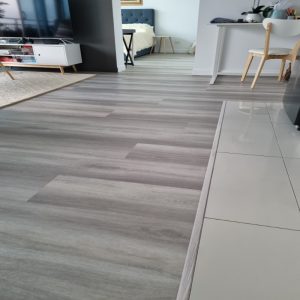
Key Colour Considerations to Make When Choosing Hybrid Flooring
Choosing the appropriate hybrid flooring colour complements each room’s visual appeal and enhances long-term property value, transforming your home into…