

 Decking Calculator





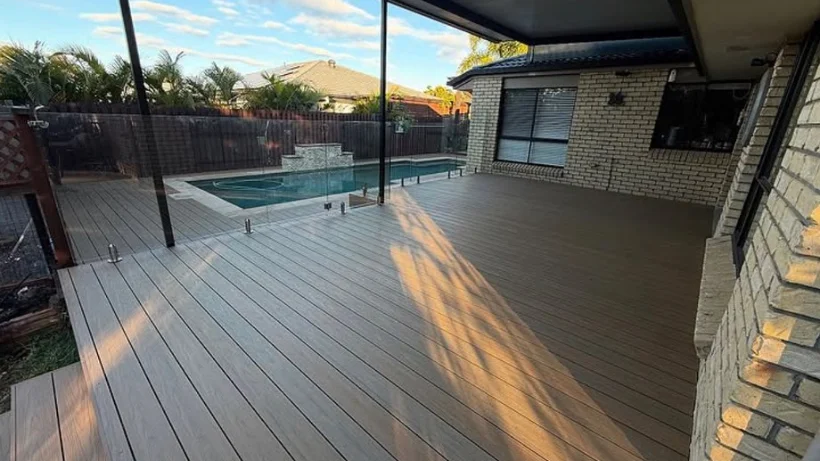
Also known as composite decking, wood-plastic composites (WPC) have gained popularity as a flooring, cladding, or decking material due to their durability, ease of use, and sustainability.
Homeowners residing in extreme climate areas don’t have to worry about the resilience of composite decking. WPC can withstand daily wear and tear and harsh weather, providing them with a robust decking solution for many years. Its low-maintenance features make it a superior choice over traditional timber decking, offering Australian homeowners convenience and peace of mind.
As trusted composite decking Sydney experts with extensive industry experience, we recommend understanding its features before installing one in your outdoor living space. This blog will explain several must-know facts about composite decking, enabling you to make informed decisions that enhance your daily living and quality of life.
Key Takeaways
- Composite decking often contains recycled materials, making it more environmentally friendly.
- Composite decking is generally more durable and weather-resistant than standard timber decking.
- It resists common issues such as rot, decay, insect damage, and moisture-related problems.
- Composite decking is low-maintenance – it does not need regular sealing or painting like timber.
- It offers aesthetic versatility: colours and finishes that mimic timber, with uniform appearance and design flexibility.
- Composite decking is suitable for a wide range of climates and conditions, making it a flexible option for many homeowners.
1) It Often Contains Recycled Materials
The sustainable features of composite decking resonate deeply with many Australian homeowners who prefer eco-friendly fixtures. They will be pleased to know that manufacturers source most composite decks from recycled materials. Whether plastic or wood, the decking is fused with additives and formed into various shapes.
Trusted WPC manufacturers use recycled plastics, such as polypropylene (PP) and polyethylene (PE), that resist moisture and contribute to a long lifespan. On the other hand, recycled wood fibres provide tensile strength and texture that mimics traditional timber flooring aesthetics.
Composite decking offers homeowners a resilient and sustainable combination of environmentally friendly materials. By choosing this option, you’re not just improving your living space, but also contributing to a safer, greener planet.
Consider checking the recycled content percentage in various composite decking products. This strategy allows you to choose flooring that aligns with your preferences for resilience and sustainability. For a closer look at this, see our guide to environmentally friendly composite decking boards.
2) Some Brands Are Better Than Others
Do not let inferior-quality decking deceive you. Not all composite decking is created equal—many versions are better than others. For instance, if extreme weather resistance is your primary consideration, some composite decks are superior to their counterparts in this regard.
Please remember that inferior-quality WPCs provide poor UV protection, structural integrity, and wear resistance. Unfortunately, these attributes contribute to a shorter lifespan than higher-quality versions.
On the other hand, choosing high-quality composite decking provides your outdoor living space with a unique aesthetic touch and premium durability that can last up to three decades. Consulting a reputable manufacturer, reading customer reviews, and reviewing decking specifications can provide you with cost-effective composite decking and long-term satisfaction.
3) It Can Be Recycled
The sustainability of composite decks extends beyond the production phase. They can be recycled into new WPC products and plastic-derived substances at the end of their lifespan. Unfortunately, their conventional timber counterparts either rot or settle in landfills after two decades at the most.
Recycling shreds old composite decking, removes impurities, and remoulds the material to create new composite materials. Consequently, this process lengthens the new product’s lifespan and minimises waste.
Nowadays, manufacturers recommend that homeowners return used composite decking for recycling and reuse. However, please remember that not all WPCs support recycling. For this reason, we urge you to choose recycling-friendly decking offering a small environmental footprint and greater long-term satisfaction.
4) Surface Damage Can Reduce Its Longevity
Although manufacturers fortify composite decks with resilient external layers, prolonged use and heavy foot traffic can cause scratches and scuffs over time. Fortunately, they can endure longer than conventional timber decks. Ensuring proper installation, regular maintenance, and timely cleaning and inspections can minimise damage and lengthen the lifespan of composite decking.
Avoid dragging heavy furniture and dropping sharp objects that may damage your WPC decking. Harsh cleaning tools, such as wire brushes, scrapers, abrasive scouring pads, high-pressure washers, sandpaper, or grinders, can scratch or scrape the surface. Installing furniture pads, using a soft-bristled toothbrush, and avoiding harsh scrubbing techniques can help prolong the lifespan of your composite decking.
We recommend choosing premium WPCs with scratch-resistant coatings for your long-term peace of mind. Although they’re not 100% scratch-proof, you can buff them out to remove visible scratches and scrapes. For more on avoiding deeper surface issues, read our guide on how to prevent composite decking from cracking.
5) Portable BBQ’s Can Be Placed On Top, But Safety Precautions Must Be Taken
Many Australian homeowners love cooking and installing state-of-the-art kitchens on their patios, seamlessly merging indoor and outdoor living areas. While cooking on composite decking is possible, we recommend thorough and meticulous planning to ensure a safe and enjoyable experience.
Consider premium heat protection for your WPC, such as heat-resistant boards or a stone/metal surface, to prevent melting or staining. We also recommend efficient ventilation to prevent heat and smoke accumulation in your outdoor area.
Following building codes and fire safety standards for cooking in outdoor kitchens or composite decking can provide you with peace of mind. Although premium heat- and fire-resistant composite decking may cost more than those that aren’t, you’re paying for quality and long-term reassurance. For more tips on keeping your deck damage-free, see our 4 ways to avoid damage to your composite decking.
6) The Material Does Not Get Extremely Hot During Warmer Months
Many homeowners mistakenly think that composite decking retains heat and becomes uncomfortable to walk on during the oppressive Australian summer months from December to January.
This assumption isn’t true. Manufacturers have significantly enhanced the heat-mitigating properties of composite decking boards, which reflect UV rays and ensure cooler surface temperatures.
Please remember that colours can affect WPC boards’ heat retention. Light colours, including light grey, whitewashed or driftwood tones, pale beige, or off-white, retain cooler board temperatures than their darker counterparts. Installing a pergola, gazebo, retractable awning, parasol, or beach umbrella on your patio can complement heat-resistant decking and significantly reduce sunlight exposure in summer.
Our Most Popular Pioneer Decking Styles
Pioneer decking sets a new standard in composite decking with its unmatched realism. Be sure to view our most popular Pioneer decking styles:
- 5.45m Spotted Gum Eva-Last Pioneer Composite Decking
- 5.45m Blackbutt Eva-Last Pioneer Composite Decking
FAQs
What is composite decking made from?
Composite decking is typically made from a combination of recycled wood fibres and plastic materials. These components are blended together to create boards that are designed for outdoor use. The result is a material that offers the appearance of timber while incorporating the durability of synthetic elements. This composition helps the decking resist common issues such as moisture damage and pests, making it a practical option for many outdoor spaces.
How does composite decking compare to timber?
Composite decking differs from timber in both maintenance and performance. While timber offers a natural look, it often requires regular staining, sealing, and upkeep. Composite decking is designed to require less maintenance and is more resistant to issues like rot, splintering, and insect damage. This makes it a convenient alternative for those looking for a longer-lasting solution with reduced ongoing care.
Is composite decking durable?
Yes, composite decking is designed to be durable and withstand outdoor conditions. It resists moisture, fading, and general wear, helping it maintain its structure and appearance over time. This durability makes it suitable for areas exposed to sun, rain, and regular use. While no material is completely immune to wear, composite decking is built to perform reliably in outdoor environments.
Does composite decking require maintenance?
Composite decking is considered low maintenance compared to traditional timber. It does not require regular treatments such as staining or sealing. Basic care usually involves cleaning the surface to remove dirt and debris. This makes it easier to maintain its appearance over time without significant effort.
Is composite decking environmentally friendly?
Composite decking can be a more environmentally conscious option because it often uses recycled materials in its production. By repurposing wood fibres and plastics, it reduces the need for new raw materials and helps minimise waste. Its durability also contributes to sustainability by reducing the frequency of replacement.
Conclusion
Understanding essential facts about composite decking allows Australian homeowners to build a safe, resilient, and sustainable deck. Whether you’re considering a heat-resistant deck, building an expansive outdoor kitchen, or sprucing up your patio, premium WPC decking is a game-changer that provides you with a high return on investment.
Ezy Decking provides premium quality composite decking boards with 10 year structural warranty to Brisbane, Gold Coast, Sydney & Northern NSW. Contact us today for a free quote.
Related Articles
Benefits of Aluminium Framing for Composite Decking
Composite decking enhances Australian homes, offering stylish, multifunctional outdoor spaces with strong investment returns. Whether your home is rustic, Mediterranean,…

How to Turn a Concrete Slab or Patio into a Stunning Deck
If your concrete slab or patio feels boring, install a composite deck over it to create a stunning and functional…

Ultimate DIY Guide for Composite Decking
Premium composite decking gives Australian homeowners a cost-effective, visually appealing, and low-maintenance outdoor option. Whether for patios, balconies, pool areas,…