

 Decking Calculator
Cladding Sunshine Coast
-
Sale!
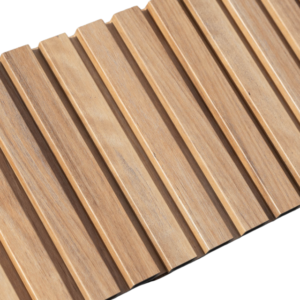
Origin Blackbutt Composite Castellated Cladding Boards 5.4mx219mmx26mm
Original price was: $269.00.$199.00Current price is: $199.00. Add to cart -
Sale!
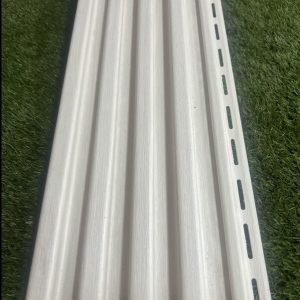
Semi-Outdoor PVC Castellated Cladding Blackbutt
Original price was: $79.99.$45.00Current price is: $45.00. Add to cart -
Sale!
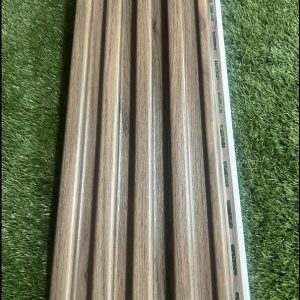
Semi-Outdoor PVC Castellated Cladding Walnut
Original price was: $79.99.$45.00Current price is: $45.00. Add to cart -
Sale!
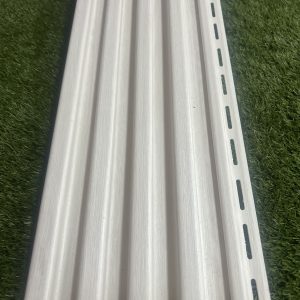
Semi-Outdoor PVC Castellated Cladding White Woodgrain
Original price was: $79.99.$45.00Current price is: $45.00. Add to cart -
Sale!
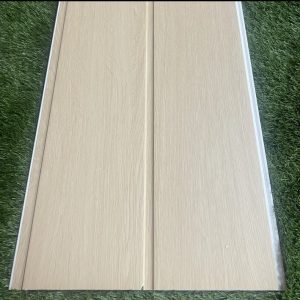
Semi-Outdoor PVC Cladding Blackbutt
Original price was: $79.99.$45.00Current price is: $45.00. Add to cart -
Sale!
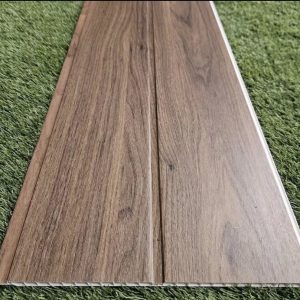
Semi-Outdoor PVC Cladding Walnut
Original price was: $79.99.$45.00Current price is: $45.00. Add to cart -
Sale!
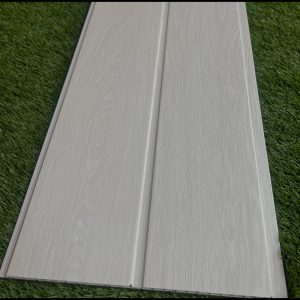
Semi-Outdoor PVC Cladding White Woodgrain
Original price was: $79.99.$45.00Current price is: $45.00. Add to cart -
Sale!
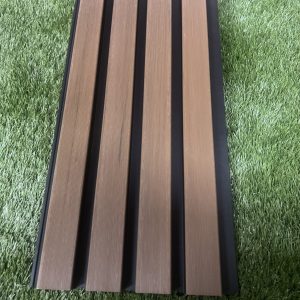
4m Teak Noir Exterior Castellated Cladding
Original price was: $119.00.$59.80Current price is: $59.80. Add to cart -
Sale!
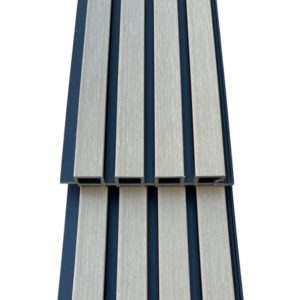
4m Oak Noir Exterior Castellated Cladding
Original price was: $119.00.$59.80Current price is: $59.80. Add to cart -
Sale!
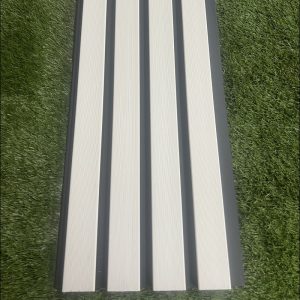
4m Super White Noir Exterior Castellated Cladding
Original price was: $119.00.$59.80Current price is: $59.80. Add to cart -
Sale!
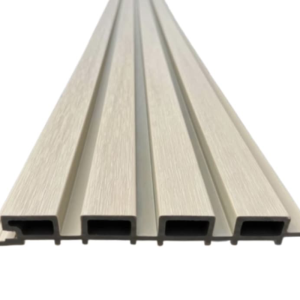
Exterior Castellated Cladding Warm Scandinavian Birch
Original price was: $119.95.$75.60Current price is: $75.60. Add to cart -
Sale!
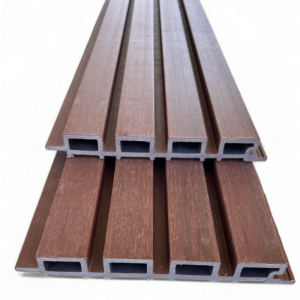
Exterior Castellated Cladding Helena River Jarrah
Original price was: $119.95.$75.60Current price is: $75.60. Add to cart -
Sale!
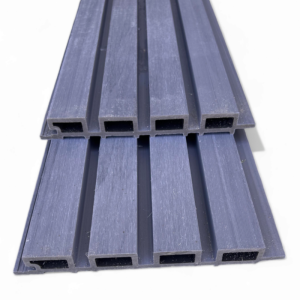
Exterior Castellated Cladding Stone Harbour Grey
Original price was: $119.95.$75.60Current price is: $75.60. Add to cart -
Sale!
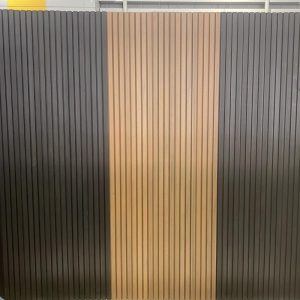
Exterior Castellated Cladding Charcoal Black
Original price was: $119.95.$75.60Current price is: $75.60. Add to cart -
Sale!
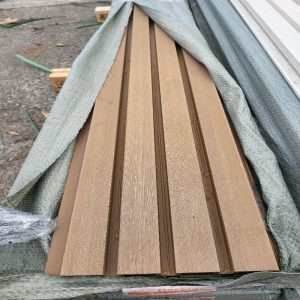
Exterior Castellated Cladding Hobart Forest Oak
Original price was: $119.95.$75.60Current price is: $75.60. Add to cart -
Sale!
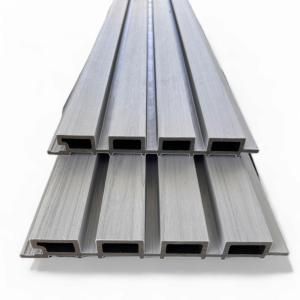
Exterior Castellated Cladding Hamptons White
Original price was: $119.95.$75.60Current price is: $75.60. Add to cart -
Sale!
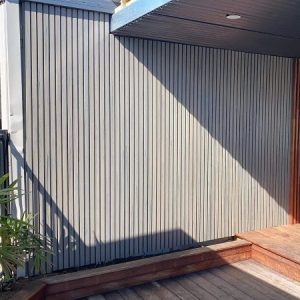
Exterior Castellated Cladding Antique Grey
Original price was: $119.95.$75.60Current price is: $75.60. Add to cart -
Sale!
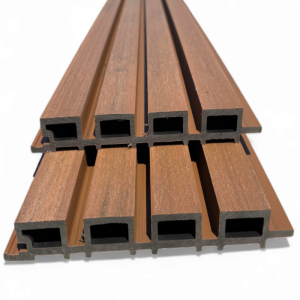
Exterior Castellated Cladding North Queensland Merbau
Original price was: $119.95.$75.60Current price is: $75.60. Add to cart -
Sale!
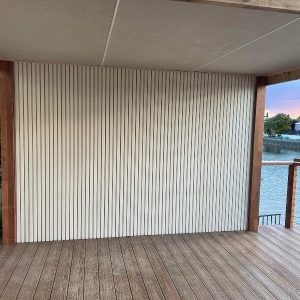
Exterior Castellated Cladding Super White
Original price was: $119.95.$75.60Current price is: $75.60. Add to cart -
Sale!
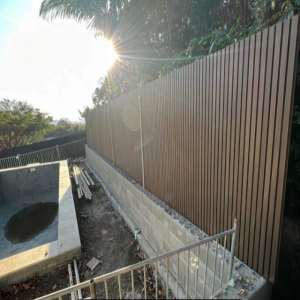
Exterior Castellated Cladding Burma Valley Teak
Original price was: $119.95.$75.60Current price is: $75.60. Add to cart -
Sale!
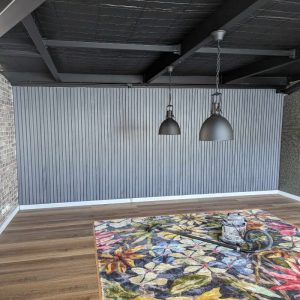
Grey Oak Feature Interior Cladding on Acoustic Panelling 2.7mx600mm veneer finish
Original price was: $209.00.$139.00Current price is: $139.00. Add to cart -
Sale!
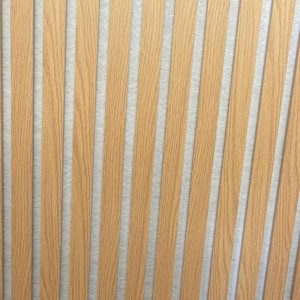
American Oak Feature Interior Cladding on White Acoustic Panelling 2.7mx600mm Melamine paper finish
Original price was: $179.00.$95.00Current price is: $95.00. Add to cart -
Sale!
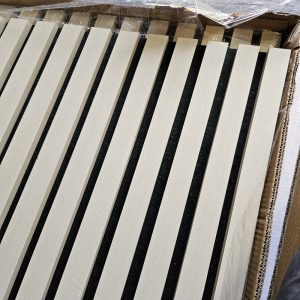
Black Ash Feature Interior Cladding on White Acoustic Panelling 2.7mx600mm Melamine paper finish
Original price was: $179.00.$95.00Current price is: $95.00. Add to cart -
Sale!
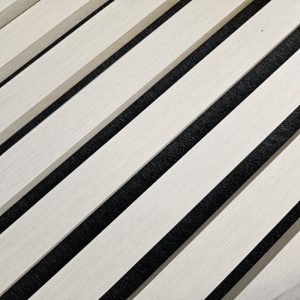
Bleached Oak Feature Interior Cladding on Acoustic Panelling 2.7mx600mm Melamine paper finish
Original price was: $179.00.$95.00Current price is: $95.00. Add to cart -
Sale!
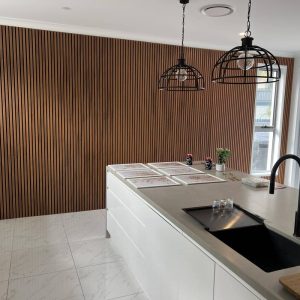
Cherry Feature Interior Cladding on Acoustic Panelling 2.7mx600mm Melamine paper finish
Original price was: $179.00.$95.00Current price is: $95.00. Add to cart -
Sale!
Dark Oak Feature Interior Cladding on White Acoustic Panelling 2.7mx600mm Melamine paper finish
Original price was: $179.00.$95.00Current price is: $95.00. Add to cart -
Sale!
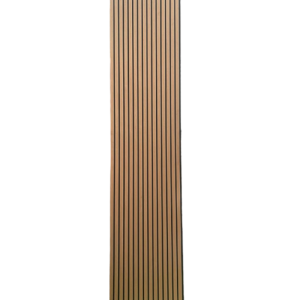
Dark Oak Feature Interior Cladding on Acoustic Panelling 2.7mx600mm Melamine paper finish
Original price was: $179.00.$95.00Current price is: $95.00. Add to cart -
Sale!
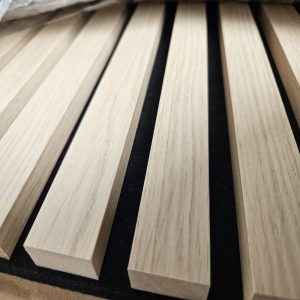
American Oak Feature Interior Cladding on Acoustic Panelling 2.7mx600mm Melamine paper finish
Original price was: $179.00.$95.00Current price is: $95.00. Add to cart -
Sale!
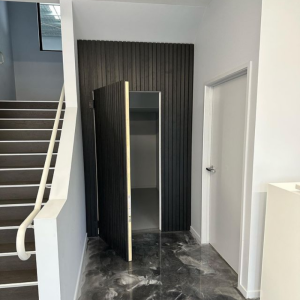
Black Ash Feature Interior Cladding on Acoustic Panelling 2.7mx600mm veneer finish
Original price was: $209.00.$139.00Current price is: $139.00. Add to cart -
Sale!
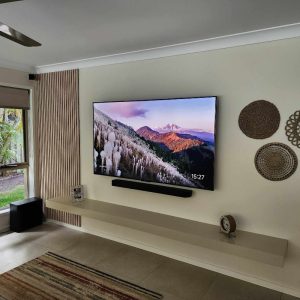
Light Ash Feature Interior Cladding on Acoustic Panelling 2.7mx600mm veneer finish
Original price was: $209.00.$139.00Current price is: $139.00. Add to cart -
Sale!
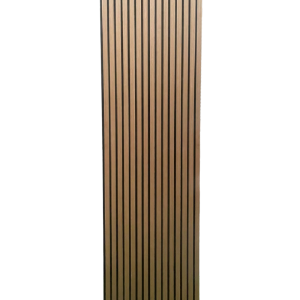
Light Oak Feature Interior Cladding on Acoustic Panelling 2.7mx600mm veneer finish
Original price was: $209.00.$139.00Current price is: $139.00. Add to cart -
Sale!
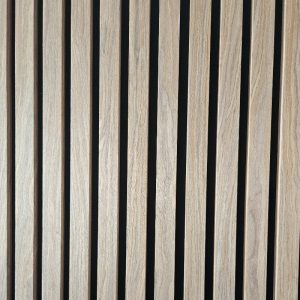
Rosewood Feature Interior Cladding on Acoustic Panelling 2.7mx600mm veneer finish
Original price was: $209.00.$139.00Current price is: $139.00. Add to cart -
Sale!
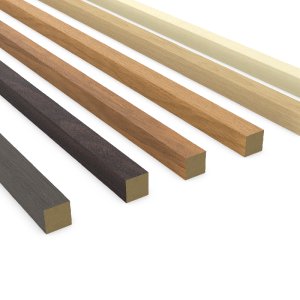
End Battens Matching for Acoustic Panels
Original price was: $20.00.$10.00Current price is: $10.00. Add to cart -
Sale!
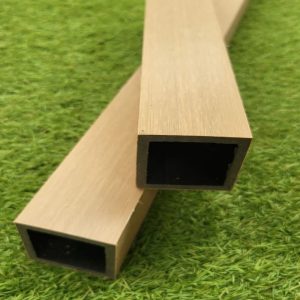
4mx50mmx50mm Screening Battens
Original price was: $79.00.$40.00Current price is: $40.00. Add to cart -
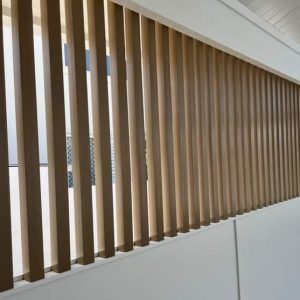
120×60 Decorative Composite Handrail
$85.00 Add to cart -
Sale!
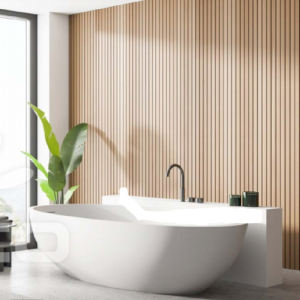
Interior Blackbutt Castellated Cladding for Walls or Ceilings pvc
Original price was: $49.95.$25.00Current price is: $25.00. Add to cart
Wall cladding for exterior and interior applications.
Frequently Asked Questions
What is cladding?
Cladding is the application of one material (typically timber, metal, vinyl, stone, or composite panels) over another to create a protective, insulated, and aesthetically pleasing exterior skin on a residential or commercial structure. This layer significantly enhances the structure’s aesthetics and weather resistance.
External cladding Sunshine Coast doesn’t have any structural functionality. Instead, the main structure supports the cladding by providing a stable framework and transferring its loads safely to the structure’s foundation. Cladding by itself is usually non-load bearing, meaning it doesn’t stabilise the building but is latched onto the structural frame.
The types of cladding include:
- Timber cladding: This natural wood version creates a warm, natural aesthetic.
- Composite cladding: Made of wood fibres and recycled plastics, this alternative resembles natural wood and offers enhanced durability and lower maintenance.
- Metal cladding: The strength, durability, and weather resistance of metal cladding (which is usually made of aluminium, steel, zinc, or copper) appeal to many homeowners.
- Vinyl (PVC) cladding: This cladding’s polyvinyl chloride plastic material contributes to its lightweight, affordable, and low-maintenance features.
- Fibre cement cladding: This version combines cement, sand, and cellulose fibres to create a fire-, rot-, and pet-resistant exterior skin for houses and commercial structures.
- Brick or stone cladding: Brick or stone cladding provides a timeless appearance and strong durability.
- Stone veneer cladding: This cladding’s thin stone or engineered stone panels mimic natural stone with less weight and easier assembly.
- Glass cladding: Many modern commercial buildings install glass cladding to create a stylish, modern aesthetic that maximises natural light and enhances energy efficiency.
As an experienced and trusted cladding Sunshine Coast provider, we do not recommend aluminium composite panels (ACP) and expanded polystyrene (EPS). Their combustible composition can spread fires quickly. EPS cladding’s poor structural integrity, susceptibility to moulding, and high environmental impact make it an inferior choice.
Instead, choose non-combustible cladding, such as mineral wood panels, fibre cement boards, or aluminium steel cladding panels, to enhance safety and experience long-term peace of mind.
Can you clad over brick?
Cladding over brick is a simple, proven strategy for fixing diminished facades and restoring their aesthetic appeal. Not only that, but it also provides homeowners and employees with effective thermal insulation and comfortable indoor temperatures year-round.
This option also prevents expensive demolition costs and facilitates efficient renovation while staying within budget.
What is Hebel cladding?
Hebel is a premium, block- or panel-shaped Autoclaved Aerated Concrete (AAC) construction material that significantly strengthens the exteriors of residential and commercial structures. Hebel cladding’s fire- and pet-resistant nature makes it ideal for many homes, offices, and various businesses in Australia.
What is EPS cladding?
Expanded polystyrene (EPS) is a combustible cladding material that accelerates the spread of fire. Extreme weather conditions also increase the risk of shrinking, melting, or igniting.
Many manufacturers use EPS cladding to reinforce homes and businesses with EPS cladding due to its low cost and lightweight construction. They apply render (a finish commonly applied to brick, concrete, or AAC surfaces) to EPS cladding.
Nowadays, cladding trends have shifted toward more durable, fire-resistant versions than the EPS version. Many Australian homeowners and businesses have used mineral wood panels, fibre cement boards, or aluminium steel cladding panels to significantly enhance their safety.
Can I paint cladding?
You can spray, brush, or roll paint on cladding. It’s important to note that the appropriate painting technique depends on the cladding material:
- Brushing: Cladding professionals often recommend brushing for smaller areas.
- Rolling: As an experienced cladding supplier, we recommend using rollers to achieve a sleek, consistent finish in bigger residential or commercial areas.
- Spraying: Spraying is ideal for smooth, consistent finishes on large or textured surfaces. Avoid spraying when windy outdoor conditions can cause overspray, or when small areas require accurate touch-ups, where a brush may be more appropriate.
Can I paint vinyl cladding?
We recommend painting a primer layer before applying the desired colour on vinyl cladding because its smooth properties can compromise paint adhesion. Vinyl can also expand in fluctuating temperatures; that’s why a high-quality plastic or multi-primer improves the paint’s flexibility and prevents cracking or peeling. We recommend using a roller to apply the primer and achieve a smooth, consistent finish.
What is shiplap cladding?
Shiplap cladding is a type of exterior skin made from wooden boards designed with special overlapping edges so they fit seamlessly and create a weather-resistant surface. It’s often used for homes, sheds, outbuildings, and coastal or weather-exposed areas.
What is timber cladding?
Timber cladding Sunshine Coast is a type of external skin made of wood, enhancing a structure’s aesthetics, weather resistance, and energy efficiency. Manufacturers source this cladding from either natural timber (cedar, oak, pine, or hardwood) or engineered timber. Installers often leave a cavity between the cladding and the main wall to eliminate moisture that permeates the structure through the boards.
Whether installing timber decking horizontally, vertically, or tongue-and-groove style, it provides good value for money.
Can I install cladding over weatherboards?
Cladding over weatherboards is a wise, long-term financial strategy because it significantly enhances a home’s aesthetics, durability, and property value. This strategy provides an additional protective layer over weatherboards, protecting them from rain, wind, and harsh sunlight. Cladding minimises the risks of moisture damage, rot, and pest infestation in older timber boards, delivering long-term peace of mind.
A professional installer must analyse the condition of the weatherboards and ensure they’re durable to ensure a seamless assembly, maintain structural integrity, and prevent moisture accumulation.
Can I drill external cladding?
Drilling external cladding is a typical technique for installing lights, house numbers, or similar applications. We recommend hiring a professional contractor to ensure proper drilling techniques, structural integrity, safety, and optimal, long-term results.
Can I paint aluminium cladding?
Aluminium cladding’s hard surface can be challenging to paint. However, you can apply a water-based, anti-rust paint formulated for metal cladding surfaces, creating a durable moisture barrier and preventing corrosion over time.
A well-painted metal cladding offers several benefits, including:
- Protection: Painting aluminium cladding prevents corrosion, UV deterioration, and weathering, extending the material’s lifespan.
- Practicality: Well-painted metal cladding is a cost-effective alternative to pricier, brand-new versions, saving time and money.
As a trusted cladding supplier in Australia, we recommend using a water-based, anti-rust paint specifically formulated for metal cladding surfaces, protecting the structure from moisture and corrosion in the long run.
Can I paint cedar cladding?
Painting cedar cladding offers several unique advantages, including:
- Enhanced protection from weathering
- Reduced maintenance
- Improved aesthetic appeal
- Upgraded pest protection
- Long-term durability
Can I paint fibre cement cladding?
It’s possible to paint fibre cement cladding. However, we recommend cleaning, sanding down, and evaluating the material before proceeding. Painting fibre cement cladding with a paintbrush, a roller, or a paint sprayer ensures optimal, long-term results. Brushes work well for corners and trims at the top and bottom areas.
Does cladding enhance insulation?
Although cladding’s primary goal is to protect homes, offices, and businesses from moisture and harsh weather, it can enhance sound and heat insulation.
The cladding creates a protective outer layer, slowing heat loss in winter and reducing heat gain in summer. This external skin also prevents heat from escaping through timber studs or metal framing, ensuring comfortable indoor temperatures year-round.
On the other hand, cladding enhances sound insulation by reducing the transmission of noise into a structure. For instance, thicker cladding panels (timber, composite, or fibre cement) absorb and block sound waves, significantly reducing noise entering the premises.
Installing premium cladding improves both heat and sound insulation, creating a comfortable, cosy indoor environment.
What distance do you recommend between battens for cladding?
As a reputable cladding contractor, we strongly recommend 600 mm gaps between battens. However, you can improvise depending on the board depth and project location. If you’re unsure about your options, consult an experienced contractor who can offer valuable insights and guidance.
How do builders install cladding on structures?
Builders install cladding on residential and commercial structures following a simple, four-step process:
- Surface preparation: Contractors will thoroughly sanitise and clear the surface to ensure proper adhesion and prevent long-term damage. Irregular surfaces may require levelling to facilitate a seamless installation.
- Framework assembly: This is an optional step that depends on the preferred cladding type. For example, aluminium cladding requires a durable framework that allows it to endure in extreme climates, such as windy conditions or torrential rainfall.
- Panel assembly: Builders attach the panels to the structure using nails, screws, or clips. They will install the panels from the bottom to the top to facilitate efficient drainage and levelling.
- Sealing and finishing: Contractors will apply a sealant to the panel edges to prevent moisture accumulation and achieve a sleek, water-resistant surface.
How long does timber cladding last?
The lifespan of timber cladding often depends on the client’s preferred material. Hardwood versions, such as oak, cedar, or spotted gum, last the longest (25 to 60 years). On the other hand, engineered or laminated timber cladding can last 20 to 40 years, depending on exposure.
Softwood versions usually last 15 to 25 years and require frequent sealing, staining, or painting to protect against rot, pests, and weathering.
How long does cladding installation take?
Professional builders usually require two to five days to install cladding. The project timeline depends on several factors, including the work’s scope and magnitude, sloping blocks, and the structure’s size.
Can you clad over asbestos?
Cladding over asbestos is feasible. However, installers must do this carefully to prevent shifting the material.
Australian laws strictly monitor asbestos handling, so consulting a licenced professional helps prevent safety hazards, ensure long-term compliance, and deliver long-term peace of mind.
Is cladding on houses safe?
Nowadays, manufacturers create residential safe, durable, long-lasting, and weather-resistant cladding, so it’s safe to install them.
Cladding for homes can protect your family from extreme weather, improve indoor temperatures and comfort, reduce maintenance, and enhance long-term property value, transforming your home into a wise, long-term investment.
Can you clad over existing cladding?
Cladding over existing cladding is possible. However, this strategy depends on the condition of the older material.
A stable and durable existing cladding allows proper installation of a new one. On the other hand, a professional contractor may need to remove damaged or dilapidated old cladding to ensure a seamless assembly.
Can you clad over fibro in QLD?
In Queensland, cladding over fibro depends on construction standards, safety, and materials. The state building rules require that external cladding materials meet the National Construction Code (NCC) standards. Combustible cladding materials are restricted or banned on some structure types under the Queensland Development Code rules.
If the fibro contains asbestos, a professional will inspect it and confirm compliance with the NOC. He will also check for structural integrity and code compliance and suggest the appropriate fixing strategies.
Can you clad over render?
You can clad over render provided that the latter is stable and damage-free. A professional contractor may suggest installing a batten system, which serves as a sturdy framework and a seamless cladding assembly.
How long does composite cladding last?
Durable, premium composite cladding often lasts up to 20 years. It can withstand warping, rotting, and pests, making it an ideal, long-lasting, and low-maintenance option for homes or businesses in Australia.
How much does it cost to clad a house?
The cost of residential cladding depends on the preferred material, property size, and ease of installation.
Cladding prices in Australia usually range from $70 to $250 per square metre. We recommend consulting a reputable and experienced cladding contractor who can recommend the best cladding material, texture, and colour that fits your budget and align with your long-term preferences.