

 Decking Calculator

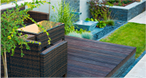



The visual appeal, cost-effectiveness, and low-maintenance features of artificial grass have resonated deeply with many Australian homeowners. Synthetic turf stays green year-round regardless of the climate, offering a consistent and eye-catching outdoor space. Whether you live in a dry or wet region, artificial grass retains its allure without the need for regular mowing, relieving you of the burden of tedious, frequent upkeep.This quality reassures homeowners a wise, long-term artificial grass investment.
However, please remember that several factors can damage artificial grass, compromising its lifespan and resilience. Whether you use synthetic turf for your lawn, playground, or a pet area, understanding these factors is critical to preserving its long-term integrity and maximising your return on investment.
If you’re new to artificial grass and need valuable insight, we’re here to help. As a trusted provider of artificial grass in Sydney with extensive industry experience, our expertise has empowered numerous Australian homeowners to take charge of their outdoor living spaces.
This blog will explore the top eight mistakes to avoid when using artificial grass, providing you with valuable insights to help you enjoy a high quality of life. Understanding and avoiding these common mistakes will allow you to maintain your synthetic turf efficiently.
Key Takeaways
- Using sharp objects on the artificial grass.
- Placing heavy furniture or equipment on the turf
- Using harsh cleaning products to clean the turf
- Ignoring pet waste.
- Allowing weeds to sprout from underneath the grass.
- Exposing the turf to heat and open flames.
- Ignoring drainage issues.
1. Using Sharp Objects
Never use sharp objects to alter your artificial grass. Garden tools, scissors, or pet claws can puncture and harm it. Unfortunately, minor cuts can become larger over time and damage the turf’s structural integrity.
For this reason, we recommend avoiding sharp tools for your artificial grass whenever possible. If you use sharp objects for gardening purposes near your synthetic turf, placing a protective mat on top of your artificial grass will prevent costly, long-term damage.
2. Placing Heavy Objects and Furniture
Heavy furniture and foot traffic stress and flatten artificial grass, compromising its long-term visual appeal. Wooden tables, benches, patio sets, planters, outdoor gym equipment, grills, gazebos, hot tubs, and storage boxes place heavy pressure on synthetic turf. Their heavy weight compresses the turf fibres and can distort its infill over time. Consequently, the displaced turf fibres mat down and appear like unsightly bald patches.
Shifting heavy furniture around your lawn to distribute pressure evenly can prevent long-term damage. If your artificial grass is in a high-traffic area, consider using durable pet or commercial turf, which can endure constant pressure.
3. Using Harsh Cleaning Products
Abrasive cleaning solutions can damage the synthetic fibres of artificial grass. Bleach, ammonia-based cleaners, solvents, degreasers, and alcohol-based detergents can harm synthetic turf. On the other hand, oil-based solutions, such as grease or sunscreen, can stain artificial grass. Unfortunately, these stains can be challenging to remove. Natural grass fertilisers and pesticides can also harm synthetic turf.
Please avoid using harsh cleaning solutions on your artificial grass. Instead, consider using water and mild, water-based detergents to clean spills and stains immediately. Immediate action prevents unpleasant odours and bacterial or mould proliferation, preserving turf fibres and long-term visual appeal.
4. Exposing It to Excessive Pet Waste
Although artificial grass can handle pet activities, it cannot accommodate excessive pet waste. Failure to clean pet waste immediately can lead to unpleasant odours, bacterial accumulation, and long-term grass fibre damage.
You can clean excessive pet waste from synthetic turf by following these steps:
- Use a pooper, plastic bag, or paper towel to scoop solid waste. Dispose of it in the bin immediately. If you spot any poop residue, rinse the area lightly with water.
- Use a garden hose to rinse the affected area and prevent pet waste accumulation. This strategy also keeps your artificial grass fresh over time.
- Combine one tablespoon of mild detergent per litre of water or use a turf-safe cleaner. Use a soft brush or sponge to scrub the affected area gently. Rinse it with water afterward.
- Mix one part vinegar with one part water and apply it to the affected area to neutralise lingering odours. Alternatively, a pet-friendly deodoriser can help keep your artificial grass smelling pleasant.
- Allow your artificial grass to air dry completely. Repeat the process as needed.
5. Installing It Incorrectly
Improper installation is a common mistake with artificial grass. A poorly-installed base or weed barrier can lead to jagged surfaces, drainage issues, or worse, turf shifting, over time.
Although you can do a DIY installation yourself, hiring a trusted artificial grass installer ensures even surfaces, proper drainage, and long-term structural integrity. With highly skilled and experienced service providers, you can be confident that your synthetic turf will be installed correctly, saving you time and potential future repair costs.
6. Allowing Weeds to Grow Beneath the Turf
Nowadays, resilient artificial grass can withstand weeds and provide homeowners with a wise, long-term investment that enhances property value. However, substandard weed barrier installation can make weeds proliferate within the seams or gaps. On the other hand, tree roots can create bumps and jagged surfaces on your synthetic turf. Both possibilities can cause severe, long-term damage.
Hiring a highly experienced artificial grass installer ensures proper weed barrier installation, long-term durability, and peace of mind. Consider consulting a trusted professional contractor to achieve optimum results and an elegant, multifunctional outdoor living space.
7. Ignoring Dangers Posed by Products That Burn Artificial Grass
Although synthetic turf is usually fire-resistant, it isn’t 100% fireproof. Cigarettes, barbecue coals, or fireworks produce intense heat, which burns the surface, creates permanent burn marks, and causes significant damage.
Consider shifting fire pits, barbecues, and other heat sources to a safer location away from your artificial grass. Encourage smokers to use an ashtray to prevent cigarette butts from singeing the turf.
8. Ignoring Need for Proper Drainage to Prevent Water Buildup
Substandard artificial grass drainage can lead to water pooling, which encourages mould or mildew accumulation and results in long-term damage. Unfortunately, this issue is prevalent in heavy-rainfall areas or settings with improperly compacted base layers, leading to long-term turf deterioration.
Efficient drainage is critical in maintaining artificial grass to prevent water pooling, maintain structural integrity, prevent mould, mildew, and bacteria proliferation, and extend its lifespan. A trusted installer can assemble the base layer correctly and help you achieve these long-term objectives.
Maintenance Tips for Artificial Grass
You can extend your artificial grass’s lifespan and prevent long-term damage by following these maintenance tips:
- Frequent cleaning: Sweep debris and leaves immediately to prevent organic buildup, ensure proper drainage, and preserve visual appeal.
- Turf brushing: Consider using a stiff brush to ensure that the blades remain upright and retain a natural appearance. We recommend brushing your synthetic turf once every two to four weeks to achieve optimum results.
- Weed inspection: Inspect your artificial grass for weed growth around the edges or in the seams once a month. You can remove the weeds by pulling them out by hand or applying a turf-safe weed killer.
Frequently Asked Questions
What can go wrong with artificial grass?
Artificial grass manufacturers expose them to chemicals, such as heavy metals and PFAS, which can cause health issues when consumed, inhaled, or absorbed by the skin.
Synthetic grass can also pose an environmental threat due to the release of microplastics and chemicals into waterways, which can create a heat island effect. Furthermore, this phenomenon contributes to a decline in biodiversity. Artificial grass’s heat absorption properties can cause burns, scalding, and injuries during the peak Australian summer months from January to February.
Other potential artificial grass issues include the following:
- Poor installation: Inferior-quality installation can cause synthetic grass to lift and tear. On the other hand, improperly levelled ground creates visible, unsightly dips and bumps.
- Tears and snags: Synthetic grass can snag on objects or tear if installers use the incorrect type for heavy-traffic areas, such as those for pets and sports.
- Shrinking and expanding: Significant shifts in temperature can cause synthetic grass to shrink or expand, leading to tears and damage.
- Poor drainage: Poor drainage prevents rainwater from seeping into the ground, leading to surface runoff, puddling, and soil compaction.
- Mould and mildew growth: Improper cleaning can lead to mould and mildew proliferation, compromising the turf’s visual appeal.
Is there a wrong way to lay artificial grass?
Unfortunately, inferior quality installation is possible, especially when hiring unqualified contractors. Several artificial grass installation mistakes include the following:
- Haphazard site preparation: Skipping or rushing site preparation can lead to unstable turf conditions.
- Weed barrier oversight: Artificial grass without this component tends to allow weeds to grow and proliferate.
- Drainage negligence: Improper drainage can result in water pooling, mould, odours, and a limited lifespan.
- Base compaction failure: Uncompacted soil or aggregate creates soft spots and an uneven surface over time.
- Visible seams: Incorrectly cut or improperly secured seams can become visible, compromising visual appeal.
- Improper securing: Improperly secured seams and edges can lead to turf lifting, shifting, and creating a tripping hazard, thereby increasing the likelihood of accidents.
Why does my artificial grass feel crunchy when I walk on it?
Synthetic grass feels crunchy when walked on due to an inadequate infill, inferior sub-base preparation, or as a result of air that has become trapped beneath the surface. Insufficient infill provides the synthetic turf fibres with inadequate support. Furthermore, the base layer may develop loose aggregate, creating a crunchy sound when you step on it.
How can you tell good quality artificial grass?
We recommend checking your synthetic grass’s realistic texture and colour features, a dense and robust backing, and thick, resilient fibres made of polyethylene, polypropylene, or polyamide. Premium synthetic grass’s high-quality UV resistance and durable construction make it the logical choice for most outdoor areas over its inferior counterparts.
What destroys artificial grass?
The following factors can destroy artificial grass:
- Intense heat or freezing temperatures
- Heavy rainfall or flooding
- UV radiation
- Pets, birds, and insects
- Harsh chemicals
- Sharp and heavy objects (such as furniture or vehicles)
- Poor drainage resulting in mould and stains
- Improper installation
- Spilled fuels or oils
- Fire or sparks
- Natural wear and tear
By taking the necessary precautions, such as regular cleaning, pet maintenance, weed and moss control, and professional maintenance from a reputable, experienced contractor, you can significantly enhance the longevity and appeal of your synthetic turf.
These proactive measures empower you to take charge of your turf’s condition and ensure it remains a beautiful, functional part of your outdoor living space.
What is the lifespan of artificial grass?
When it comes to the lifespan of your synthetic grass, quality is critical. With proper installation and regular care, artificial grass can last between 10 and 25 years. Choosing premium versions can even extend this lifespan.
Manufacturers often provide warranties lasting between seven and 10 years, offering clients long-term peace of mind and reassurance.
What happens if you don’t put sand under artificial grass?
Failing to put sand under artificial grass can result in a domino effect. It can make the turf appear flat and matted, feel uneven when walking on it, and lead to improper drainage (which results in water pooling, moulds, odours, and a shorter lifespan). The absence of sand infill causes the grass to flatten, leading to early wear and tear, as well as shifting, wrinkling, or loosening over time.
Does rainwater go through artificial grass?
Proper installation and drainage allow rainwater to flow through artificial grass. Manufacturers equip premium synthetic grass with a permeable backing and sub-base, allowing water to drain quickly and preventing the formation of puddles and rainwater accumulation.
Should you be able to see a join in artificial grass?
Properly installed synthetic turf has no visible joins (the two sections where artificial grass is connected). Although improper installation may lead to visible joins, professional assembly methods, including precise turf cutting, accurate pile alignment, and proper use of adhesive and seaming tape, can efficiently conceal the join.
What thickness of artificial grass is best?
The ideal artificial grass thickness depends on your needs. For instance, shorter, resilient synthetic turf measuring between 20mm and 30mm is perfect for busy, high-traffic areas. On the other hand, longer piles measuring between 30mm and 40mm or higher provide a natural, softer aesthetic for family gardens.
If you prefer both natural appearance and durability, consider synthetic turf pile height between 30mm and 40mm, which provides a visually appealing and long-lasting fixture with a high return on investment.
View our range of premium-quality artificial grass.
How do I stop my artificial grass from smelling of dog urine?
Washing your synthetic turf with a vinegar and water solution or an enzyme-based cleaner can prevent your fixture from developing a dog urine odour. Ensure that you thoroughly rinse your artificial grass to remove pet waste and urine.
If the odour persists, we recommend a commercial turf deodoriser, an antimicrobial infill, or a reputable turf odour eliminator, such as our artificial grass sanitiser, which can keep your synthetic turf odour-free.
What is the black stuff that flies up from artificial turf?
The black substance flying from artificial turf is crumb rubber, which is made from ground-up recycled tires that act as a synthetic grass infill. Crumb rubber provides cushioning, supports the turf blades, and ensures a long-lasting visual appeal.
Can I put vinegar on artificial grass?
You can apply diluted vinegar on artificial grass to eliminate stains, odours, and weeds. Equal parts white vinegar and water is a typical solution for achieving this goal. Homeowners typically apply the solution to the affected area using a spray bottle and rinse it thoroughly for a clean finish.
Is it okay to jet wash artificial grass?
You can jet wash artificial grass. However, we recommend doing it at a low pressure (lower than 2000 psi) to prevent damage. Remove solid debris from the turf, avoid using toxic chemicals (such as bleach), and ensure that the nozzle is at least one foot away from the surface.
We also recommend testing a small area for synthetic turf with infill before jet washing it. This strategy prevents turf damage or infill displacement, providing you with long-term peace of mind.
Can you put baking soda on artificial grass?
Applying baking soda to artificial grass helps eliminate odours and stains, ensuring a visually appealing surface.
The steps for applying baking soda on synthetic grass include the following:
- Sprinkle baking soda on the stain or odorous area
- Leave it on the affected area for 15-30 minutes
- Sweep or rinse the area with water to eliminate the stain and odour
What is the best thing to put under artificial grass?
A stabilising and protective layer consisting of a multi-layered crushed rock foundation, a weed membrane, a fine sand or crushed dust layer, and a shock pad is a game-changer for your synthetic grass. This layer provides long-term durability and prevents weed growth and proliferation, ensuring an enduring and visually appealing level surface.
Safeguard Your Artificial Grass With Ezy Decking
Understanding the repercussions of improper artificial grass maintenance will empower you to take charge of your outside living space and remain vigilant year-round. Whether it’s heat damage, weed growth, insufficient drainage, or improper installation, a trusted and highly experienced contractor ensures your synthetic turf remains durable and elegant over time.
Looking to use artificial grass for your own home? Contact the friendly team at Ezy Decking today for expert advice on choosing the best synthetic grass products for your yard.
Related Articles
What are the Benefits of Installing Artificial Grass?
When transitioning from natural to artificial lawns, you’ll want to ensure that the synthetic grass is worth the change and…
What You Need to Know before Installing Artificial Grass
The decision to install artificial grass is not an easy one. It’s best to consider different factors before deciding whether…

Why Use Artificial Grass
Most homeowners want to occasionally sit in their rooms and take in the lovely views of a green landscape, and…