

 Decking Calculator



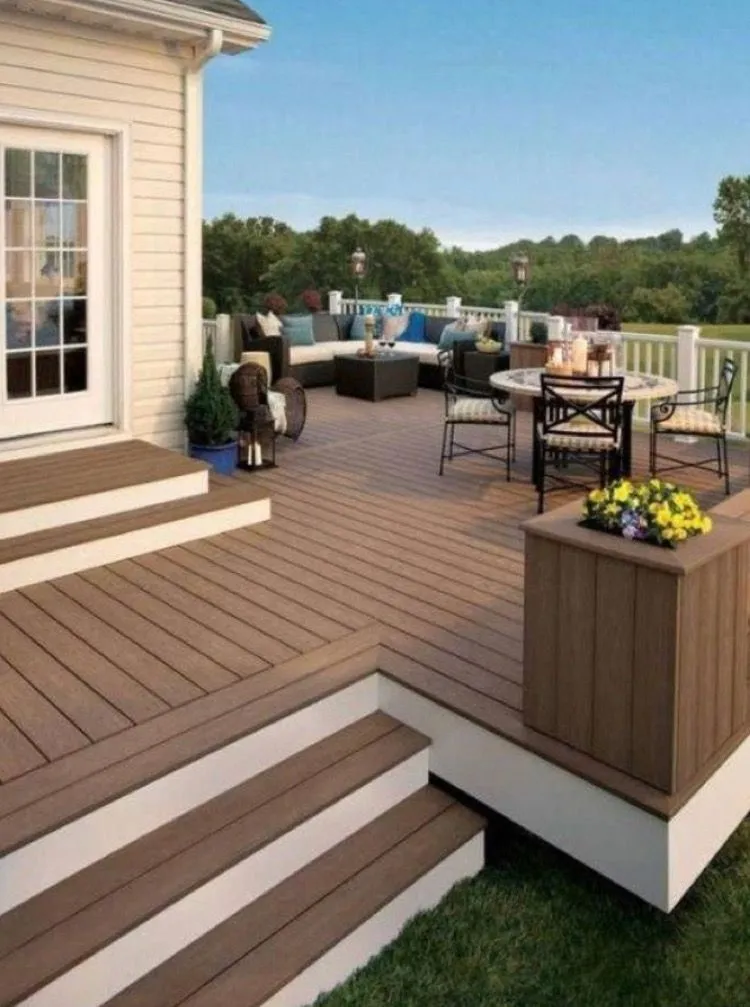
Over time, an array of materials has emerged to enhance the construction of structures and amplify the appeal of spaces. Yet, not all materials are created equal, and a hierarchy has naturally formed based on their merits.
Some materials stand out as being higher quality and a more worthwhile investment than others. Homeowners have noticed a notable rise in the popularity of composite materials, particularly for outdoor use.
Composite materials have become a beloved choice for homeowners, and it’s easy to see why. Many people opt for them, especially when it comes to enhancing their outdoor spaces, and these materials have consistently lived up to expectations.
In fact, their popularity has only grown as more individuals recognize the benefits they offer.
One aspect of outdoor spaces that homeowners often focus on is their gardens. The materials used in constructing these gardens are pivotal in how effectively they improve and elevate the overall space.
It’s no wonder that composite board gardens are becoming increasingly favored by many, particularly among Aussie homes. These gardens are crafted from a material that combines beauty with cost-effectiveness, making them an ideal choice.
Key Takeaways
- Composite board gardens are outdoor garden beds constructed from composite decking materials that combine durability and aesthetic appeal.
- Composite materials are preferred over traditional lumber for gardens because they offer higher resistance to rot, warping, pests, and weather factors.
- Effective planning for a composite board garden includes determining bed size, yard area, pest control, material lifespan, weed prevention, design considerations, and budgeting.
- Step-by-step construction involves marking the garden area, clearing and preparing the ground, building the frame, assembling and securing composite boards, and filling with soil and compost.
- Once complete, the composite board garden is ready for planting and benefits from the durability and low maintenance of composite materials.
What are Composite Board Gardens?
Composite board gardens are garden beds made from composite materials and products. What, then, are composite materials and products? Composite materials are products made from a composition of materials.
The idea is that the final product or material should improve on the lapses of other popular materials. This improved capacity is why it has become a fan favorite amongst many. A detailed comparison of composite materials against other materials will best highlight how it is an improved material.
Composite Garden Beds vs. Lumber Gardens
The best illustration describing what composite materials are and how they are improved is a detailed comparison. This is a comparison between gardens made from composite products and lumber products.
High resistance
Lumber gardens use traditional woods, like cedar, plywood, timber, redwood, and more. No matter how these woods are treated, temperate conditions affect their performance. Under humid temperatures, you notice rotting and warping; in the dryer and hotter temperatures, splinters and cracking are noticed.
This must be noticed in composite products, as they offer high resistance to these factors.
Cost-effectiveness
With lumber products, there is high maintenance demand, which demands costs even though you purchased it at a cheaper rate. The installation costs are also considered with lumber products.
However, these are not a concern with composite products because their high resistance makes them durable, so there are fewer maintenance needs. Plus, they cost less to purchase, and the installations can be a do-it-yourself (provided you know how), as they are lightweight. If you are keen to install a full deck yourself too, see our ultimate DIY guide for composite decking.
Excellent appeal
With lumber products for a garden, you will give your home a nature-like appeal, and you will need to do more to provide another appeal. However, composite products can get any appeal you want in a lightweight product.
Other properties
Composite products have the edge over lumber products in terms of environmental friendliness, durability, simplicity, and high UV stability.
Building a Composite Board Garden
It was stated that composite products are easy to install. But this ease of installation is only ensured with excellent planning. So, necessary steps are involved in planning and building composite board gardens.
Planning for the Building of a Composite Decking Board Gardens
There are specific things you must know when planning for the building of a composite decking board garden, and these are the factors:
- Bed size is a question of how large you want your garden bed to be, but while debating on the size, you must know that it should be a size influenced by what will be planted in the garden and easy access to the garden. Various standard garden sizes can be sourced to guide your decision.
- Yard area: The garden will be positioned in your yard, so the garden size is proportional to the yard’s area and the amount of space you are willing to sacrifice from the yard area. You should bear in mind that your garden should not dwarf the remaining space in your yard.
- Pest control in and around the garden bed: Two pests should be a concern for you, the bottom feeders and the pests from around the garden. The composite material used in the garden bed already offers protection and control against bottom feeders trying to eat through the bed structure. However, you can provide protection from external pests using composite fencing.
- Material’s lifespan: When choosing the material used in garden construction, you must consider the plant to be planted in the garden and what the garden demands before deciding. If the plant demands excess watering to thrive, you must protect against humidity with lumber gardens. If the plant requires less water, you must make provision against splinters with lumber gardens. However, as seen above, this is not a concern with composite products. You will notice molds forming on the structure, but these molds can easily be removed by simply cleaning the composite boards.
- Weed prevention: Even if composite products boast high resistance, you must take measures to boost this resistance trait, especially against specific factors. Weeds are one factor you should take preventive measures against. Various chemicals and methods are available to help ensure weed absence in your garden; you should consider using them.
- Have a garden design: the bed size, yard space, and pest control are all factors that will influence the design of your garden. However, more detail on the design considers the color of materials to be used in the garden, the position of the garden, and your budget. The design should be in sync with your house design to complement it.
- Your budget: It is the amount of money you intend to spend on building the garden. This amount considers the materials needed for the garden bed, the cost of the materials, and installation costs. Some online calculators can help you get a rough estimate for your budget using factors like bed size and more. If you would rather leave the decking itself to a professional, read our tips on how to choose the right composite decking installer.
- Gathering materials: You must gather materials before building the garden bed. It is already established that you will use composite products for the garden. These are some of the essential materials to gather:
- Composite decking
- Weed barriers
- Deck and exterior screws
- Mesh clothes
- Heavy-duty plastic sheeting
- Raised bed soil
- Decking accessories, like joists, batten, caps, and clips.
Steps Involved in Building Composite Garden Beds
You must understand that the steps below are comprehensive guidelines and only apply when you have the garden design and know the factors above. The steps include:
- Using strings, outline the plan for your garden in the reserved yard area, and it should be in line with your chosen bed size.
- Mow short the grass present on the reserved space and dig it to the sides, or cover up the grass with cardboard and compost.
- Set up the garden bed by laying planks in the shape of the garden bed, and the laid planks should overlap each other.
- Stack the composite boards along the sides.
- Secure the stacked boards in place with cups and clips.
- You have gotten your desired height for your garden bed; fill the structure with nutrient-rich compost.
- Cover the compost with topsoil suitable for the plants the garden will accommodate.
- Fill the structure to the top because the soil will settle.
- The garden is ready for planting. Before you fill it, see the perfect relationship between potted plants and composite decking for tips on protecting the boards nearby
Our Most Popular Pioneer Decking Styles
Pioneer decking sets a new standard in composite decking with its unmatched realism. Be sure to view our most popular Pioneer decking styles:
- 5.45m Spotted Gum Eva-Last Pioneer Composite Decking
- 5.45m Blackbutt Eva-Last Pioneer Composite Decking
FAQs
Can you build a garden using composite decking boards?
Yes, composite decking boards can be used to build garden features such as raised beds or structured outdoor areas. Their durability and resistance to moisture make them suitable for outdoor use. Unlike traditional timber, they are less likely to rot or deteriorate over time, which helps maintain the structure. This makes them a practical option for creating garden spaces that are both functional and long-lasting.
What are the benefits of using composite decking boards in a garden?
Composite decking boards offer durability and low maintenance, which are useful in garden settings. They resist moisture, pests, and general wear, helping them maintain their condition over time. They also provide a consistent appearance, which can enhance the overall look of the garden. These qualities make them a reliable choice for building outdoor structures that need to withstand changing weather conditions.
What are the basic steps to build a composite decking garden feature?
The process generally involves planning the layout, preparing the ground, building a supporting structure, and installing the composite boards. Each step requires careful measurement and alignment to ensure stability and a clean finish. Proper preparation helps ensure the structure performs well and remains secure over time.
Do you need a subframe for composite decking garden projects?
Yes, a subframe is typically required to support composite decking boards. It provides a stable base and helps distribute weight evenly. Without a proper subframe, the structure may become unstable or uneven. Building a strong foundation is an important step in ensuring the longevity of the project.
Is a composite decking garden project suitable for DIY?
A composite decking garden project can be suitable for DIY if you have the necessary tools and preparation. The process involves multiple steps, including planning and construction, which require attention to detail. While it can be completed independently, more complex designs may benefit from professional input.
Ezy Decking provides premium quality composite decking boards with 10 year structural warranty to Brisbane, Gold Coast, Sydney & Northern NSW. Contact us today for a free quote.
Related Articles
Benefits of Aluminium Framing for Composite Decking
Composite decking enhances Australian homes, offering stylish, multifunctional outdoor spaces with strong investment returns. Whether your home is rustic, Mediterranean,…
How to Turn a Concrete Slab or Patio into a Stunning Deck
If your concrete slab or patio feels boring, install a composite deck over it to create a stunning and functional…
Ultimate DIY Guide for Composite Decking
Premium composite decking gives Australian homeowners a cost-effective, visually appealing, and low-maintenance outdoor option. Whether for patios, balconies, pool areas,…