

 Decking Calculator
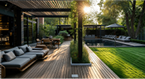
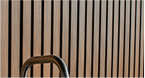
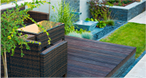
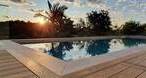
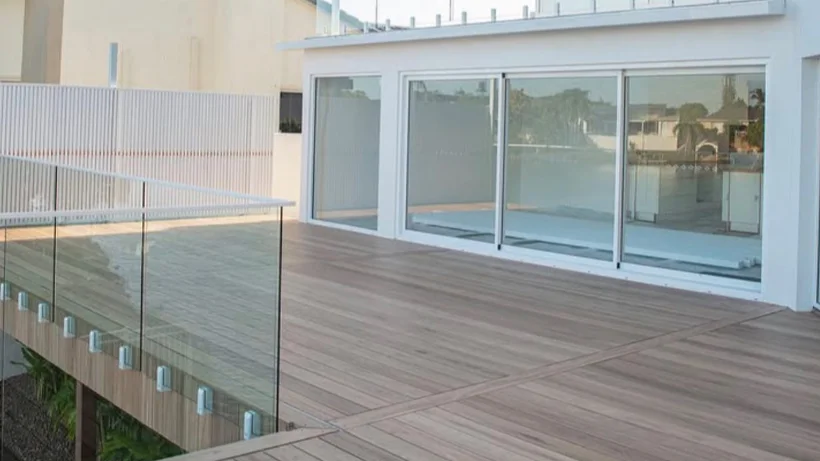
Also known as wood-plastic composite (WPC), composite decking has resonated deeply with many Australian homeowners. Unlike traditional timber decks requiring frequent cleaning, sealing, sanding, and refinishing, the composite version’s low-maintenance features provide a welcome relief from the burden of frequent upkeep, allowing homeowners to relax and bask in their outdoor living space.
Manufacturers make composite decking from wood fibres and plastic, enabling it to withstand harsh climates, fading, staining, and deterioration. Hence, this fixture provides clients with a resilient, long-lasting solution that offers a high return on investment.
Choosing the appropriate decking cannot be overstated since it can significantly compromise the visual appeal, resilience, and long-term maintenance of your outdoor area. Although WPC is more cost-efficient than conventional timber, please remember that many outdoor deckings are better than others.
If you’re considering WPC for your outdoor space but need valuable insight, we’re here to guide you. As a trusted Sydney composite decking stockist with extensive industry experience, our expertise can help you make an informed decision about capped vs uncapped composite decking, enabling you to make informed long-term buying decisions that improve your quality of life.
Key Takeaways
- Capped composite decking has a protective outer layer, whereas uncapped composite decking does not.
- Uncapped composite decking tends to be lower cost compared to capped decking..
- Capped decking provides enhanced protection against weather, moisture, UV, stains, fading and wear – leading to better long-term durability.
- Uncapped decking offers a more realistic timber-like appearance and may appeal to those wanting a “natural wood” look
- The choice between capped vs. uncapped decking largely depends on budget, maintenance tolerance, aesthetic preference, and how much exposure to elements and usage the deck will get.
What Is Capped Composite Decking?
Capped composite decking is a premium outdoor fixture alternative that significantly enhances the aesthetics and functionality of your living space. As the term implies, this decking has a protective layer (“cap”) that shields its interior components from excessive moisture, ultraviolet (UV) rays, mould, and mildew.
The structural components of capped composite decking include the following:
- Core: Similar to uncapped composite decking, the capped version’s core combines wood fibres and plastic to create a durable, long-lasting, and sustainable outdoor fixture.
- Protective layer/cap: Capped composite decking has a resilient protective layer usually made of weather-resistant components, such as polyvinyl chloride (PVC) or acrylic. Manufacturers latch the cap onto the core to create a tough outer layer that can withstand heavy rain, harsh sunlight, humidity, dirt, organic matter, and insect infestation.
Capped Composite Decking Benefits
Capped composite decking offers Australian homeowners premium protection against various environmental and aesthetic challenges, including the following:
Increased resilience to harsh weather conditions
Whether you live in an area prone to harsh sunlight or heavy rainfall, capped composite decking’s premium protective layer can give you long-term peace of mind.
Manufacturers create capped composite decking to withstand moisture, UV rays, and temperature fluctuations. The cap protects the core from these environmental hazards, ensuring long-lasting quality, prolonged lifespan, and value for money, giving homeowners a sense of security and confidence in their investment.
Surface damage protection
Without a protective layer, composite decking may develop fading, staining, and scratching over time. For this reason, manufacturers equip the cap with premium UV inhibitors and colour pigmentation, ensuring the decking retains its decorative allure and withstands visible surface damage.
Low-maintenance
Inferior-quality decking succumbs to the elements and requires frequent and tedious maintenance, which many homeowners consider a deal-breaker.
Fortunately, capped composite decking doesn’t require frequent staining, sealing, and refinishing, relieving you of the burden of regular upkeep and allowing you to focus on your essential obligations.
Capped composite decking’s game-changing protective layer prevents moisture seepage, mould, mildew, stains, dirt accumulation, and long-term deterioration. You only need to clean it with soap and water twice annually to ensure it looks pristine and spotless.
What is the difference between capped and uncapped composite decking? Not only does the former protect your outdoor deck from several environmental and aesthetic challenges, but it also eliminates the need for frequent and costly repairs and replacements, providing you with financial security and peace of mind.
What Is Uncapped Composite Decking?
Uncapped composite decking offers Australian homeowners a more affordable option than its capped counterpart. It’s an excellent choice for clients who prefer the advantages of composite decking, eliminating the cost of a premium protective layer.
Manufacturers combine wood fibres and plastic to create uncapped composite decking. However, it doesn’t have the capped version’s protective layer. Hence, uncapped composite decks rely heavily on the core to withstand environmental and aesthetic challenges, such as extreme climates, temperature fluctuations, moisture, fading, staining, and scratching. Although the core can endure harsh weather, moisture, and UV rays, it may succumb to visible surface damage over time.
Uncapped Composite Decking Benefits
The advantages of uncapped composite decking include the following:
- Affordable: Without the premium protective layer, uncapped composite decking has a lower cost than its capped version. Hence, manufacturers can offer competitive prices to customers with limited budgets who seek a reliable outdoor fixture.
- Realistic timber appearance: Uncapped composite decking closely mimics authentic traditional timber decking’s visual appeal. The absence of a protective layer allows the core to expose grain patterns and wooden fibre textures, enhancing the deck’s aesthetics and appealing to Australian homeowners who prefer a conventional and natural outdoor living space.
- Easy to install: Uncapped composite decking is an ideal choice for homeowners who prioritise ease of use and efficiency. Its lack of a protective layer makes cutting and drilling easier than its capped counterpart, making it ideal for those who love a DIY project.
Although uncapped composite decking doesn’t offer premium surface protection like its capped counterpart, factors such as its lower cost, authentic timber appearance, and ease of use are worth considering.
When choosing between uncapped composite and conventional timber decking, the former offers better resistance to warping, surface deterioration, and insect infestation than the latter. Uncapped composite decks’ easy installation and long-term maintenance relieve homeowners of the burden of tedious upkeep and allow them to enjoy hassle-free outdoor living.
Best Scenarios for Capped Composite Decking
As trusted Brisbane composite decking stockists with extensive experience, we recommend choosing capped composite decks for homeowners who prioritise low-maintenance, resilience, and longevity. The premium protection they offer against fading, staining, scratches, and extreme climates can be a game-changer for your outdoor living space.
Despite capped composite decks’ higher upfront costs, their low-maintenance requirements ensure homeowners minimise long-term costs and receive a significant return on their investment. These fixtures can transform high-traffic environments, coastal surroundings, or homes requiring durable, eye-catching decking.
Please remember that many capped composite decking versions offer better quality and protection than others. Choosing a reputable contractor with extensive industry experience can help turn your decking into a wise, long-term investment.
Best Scenarios for Uncapped Composite Decking
Uncapped composited decking is an ideal choice for Australian homeowners who prefer the advantages of these fixtures without the cost of a premium protective layer. It closely mimics the visual appeal of conventional timber decking, making it an attractive and affordable option for those on a budget.
Although uncapped composite decking has a shorter lifespan and requires more upkeep than the capped version, it can be a functional choice for mild climates and clients amenable to regular maintenance. To sum things up, uncapped composite decks are the better alternative for budget-conscious homeowners who prioritise conventional visual appeal over long-term durability.
Our Most Popular Pioneer Decking Styles
Pioneer decking sets a new standard in composite decking with its unmatched realism. Be sure to view our most popular Pioneer decking styles:
- 5.45m Spotted Gum Eva-Last Pioneer Composite Decking
- 5.45m Blackbutt Eva-Last Pioneer Composite Decking
Frequently Asked Questions
How to tell capped vs. uncapped composite decking?
You can distinguish capped composite decking from the uncapped version through a protective outer layer. The capped version’s protective layer provides a consistent, fade-resistant colour.
On the other hand, uncapped composite decking closely mimics wood and may fade over time, especially when exposed to harsh sunlight. These fixtures typically feature an exposed composite wood and fibre mixture on the surface. Conversely, manufacturers equip capped decking with an impermeable polymer shell connected to its core.
How long does capped composite decking last?
Capped composite decking usually lasts between 25 and 30 years. However, some premium versions can last longer.
The protective outer layer of capped composite decking is a testament to its long-term resilience. It endures moisture, scratches, and inclement weather, thereby preventing warping, staining, and mould. Its exact lifespan depends on several critical factors, including the quality of installation and regular maintenance, but its resilience is a game-changer for many homeowners.
Is capped composite decking better?
Industry experts consider capped composite decking to be superior to uncapped versions because it offers a higher level of protection against staining, fading, and mould than the latter.
The premium protective outer shell of capped composite decking provides homeowners with a sense of security and confidence in their investment. It offers greater durability and less maintenance over time, making it the perfect outdoor fixture for those who prefer a durable, low-maintenance deck and a higher return on investment.
Can you paint uncapped composite decking?
The porous surface of uncapped composite decking makes painting it feasible. However, it’s important to note that surface preparation is crucial for good adhesion and long-term durability.
You can prepare the surface of uncapped composite decking by following these steps:
- Deep cleaning: Deep cleaning the surface removes dirt, mould, and oxidation. Sweep it thoroughly and use a composite deck cleaning solution or a mixture of mild detergent and warm water. Scrub the surface with a medium nylon brush along the grain of the boards. Rinse it thoroughly with water and allow it to dry completely.
- Remove weathered layer: Uncapped composite decks usually develop a pale, corroded layer. Use fine-to-medium-grit sandpaper to remove this layer, ensuring that you sand along the direction of the boards.
- Rinse thoroughly: Rinse the composite deck with clean water, ensuring that no debris remains. Allow the deck to fully dry before painting.
Apply a suitable primer before painting the deck. Industry experts typically recommend 100% acrylic exterior paint due to its superior adhesion and flexibility properties. If you’re unsure how to proceed, consult a reputable and experienced contractor who can guide you through the process.
What is a capped composite deck?
A capped composite deck is an outdoor fixture with a protective, impermeable outer layer (cap) bonded to the wood fibre and plastic core. The cap offers superior resistance to stains, fading, mould, and mildew, enhancing long-term durability.
On the other hand, the core ensures long-term structural integrity, providing long-term peace of mind.
What is an uncapped composite deck?
An uncapped composite deck is a fixture that’s made of wood fibres and plastic. As the term suggests, it lacks the proactive outer layer of the capped version.
Although uncapped composite decks are more affordable upfront, their susceptibility to fading, discolouration, staining, and moisture damage requires long-term maintenance, which may be costlier over time.
Will dog pee ruin composite decking?
Dog urine cannot permanently damage premium, stain-resistant composite decking. However, it can leave residue or stains if not cleaned promptly. We recommend thoroughly rinsing the affected area with soap and water immediately to prevent staining, odour buildup, and microbial growth.
Can you put heavy furniture on composite decking?
When placing heavy furniture on composite decking, it’s important to be proactive and responsible. Using protective pads under furniture legs can prevent damage to the surface. However, the absence of these pads and dragging heavy furniture across the surface may compromise the decking.
If you prefer placing heavy items on your composite deck, ensure that the fixture has a high load-bearing capacity for your long-term peace of mind. Consult a reputable contractor who can provide valuable insight and guide you through the process.
Conclusion
Deciding between capped vs uncapped decking doesn’t have to be daunting. Each outdoor fixture alternative has unique advantages that resonate with Australian homeowners with different tastes and preferences.
For some homeowners, the capped composite decking’s premium protective layer’s long-term durability and low-maintenance requirements appeal to them. On the other hand, some clients prefer the affordability, unique timber appearance, and easy manipulation of the uncapped version. Regardless of your preferred fixture, consider installing one that aligns with your lifestyle and long-term objectives.
Ezy Decking provides premium quality composite decking boards with 10 year structural warranty to Brisbane, Gold Coast, Sydney & Northern NSW. Contact us today for a free quote.
Related Articles
Benefits of Aluminium Framing for Composite Decking
Composite decking enhances Australian homes, offering stylish, multifunctional outdoor spaces with strong investment returns. Whether your home is rustic, Mediterranean,…
How to Turn a Concrete Slab or Patio into a Stunning Deck
If your concrete slab or patio feels boring, install a composite deck over it to create a stunning and functional…
Ultimate DIY Guide for Composite Decking
Premium composite decking gives Australian homeowners a cost-effective, visually appealing, and low-maintenance outdoor option. Whether for patios, balconies, pool areas,…