

 Decking Calculator
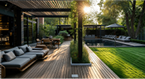
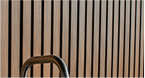
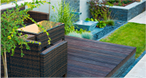

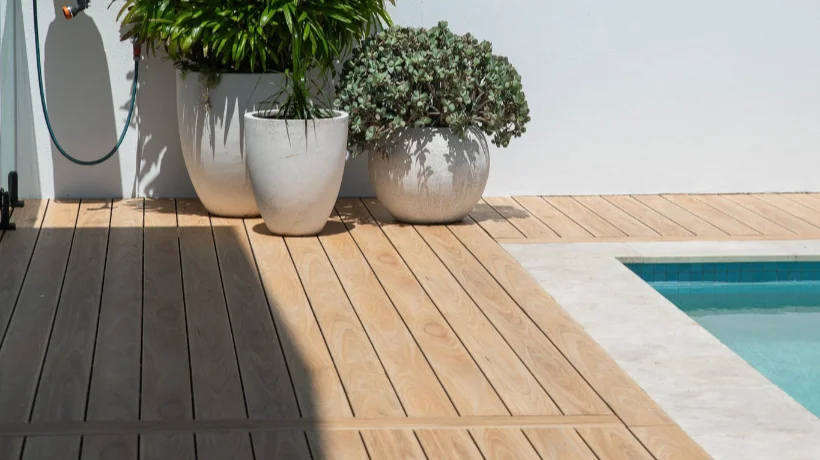
Premium composite decking has transformed numerous outdoor areas in Australia, offering a stylish, cost-effective, low-maintenance, and sustainable alternative to modern living.
Composite decking’s resistance to moisture, extreme weather, staining, splintering, decaying, pests, and insects has appealed to homeowners.
Manufacturers source high-quality composite decking from recycled plastics, natural wood fibres, and additives, creating a robust outdoor fixture that can last up to 50 years with proper upkeep. The best composite decks can endure high traffic and extreme temperatures, ensuring a high return on investment and long-term satisfaction.
Despite these benefits, understanding how composite decking may fade or discolour over time helps you weigh the long-term pros and cons, enabling more confident buying decisions.
You may be wondering if composite decks fade over time. As a trusted supplier for these elegant, cost-effective fixtures in Australia, we can provide you with valuable information and insights.
Key Takeaways
- Yes, fading is normal: Composite decking does fade slightly over time, especially due to UV exposure and weather conditions, but it’s designed to resist significant colour loss.
- Initial fading happens early: Most colour change occurs within the first 3–6 months after installation as the boards weather and settle into their intended tone.
- It doesn’t affect performance: Fading is purely cosmetic and does not impact the strength, durability, or structural integrity of the decking.
- Some options resist fading better: Darker colours, capped boards, and textured finishes are more fade-resistant than lighter or uncapped boards.
- Maintenance helps minimise fading: Regular cleaning, proper installation, and using protective products can help maintain colour consistency and appearance over time.
This blog will determine whether composite decking fades over time, answering a critical question and helping Australian homeowners take control of their home environment.
Understanding Initial Colour Fade in the First 6 Months
Understanding how decking naturally fades as time progresses helps set realistic expectations, allows homeowners to make better aesthetic choices, supports maintenance planning, and ensures long-term satisfaction.
It’s important to note that your decking’s initial colours aren’t the ones you will see over time. For this reason, savvy manufacturers create boards with a slightly more vibrant color or hue than the client’s preferred long-term aesthetic. Exposure to sunlight and the elements fades the composite decking boards, allowing them to return to their original, intended colours.
This process usually occurs during the first three to six months after installation. Direct sunlight exposure may make the colours appear more subdued than the initial version. If this scenario applies to you, there’s no need to worry because it’s completely natural.
You can also relax knowing that sunlight exposure doesn’t compromise the strength or structural integrity of your composite decking, especially if it’s composed of premium materials from a reputable manufacturer.
Colour Selection: Which Decking Hues And Types Are The Most-Fade Resistant?
Colour, visual appeal, and aesthetics are usually the primary considerations of many Australian homeowners when purchasing composite decking. We recommend choosing hues and tones that complement your unique preferences and the aesthetics of your outdoor living space.
The most fade-resistant composite decking colours include the following:
- Dark colours: Darker shades, including slate grey, deep browns, and charcoal, resist fading better than other colours, providing homeowners with long-term peace of mind and confidence in their buying decisions.
- Capped or co-extruded composite boards: Manufacturers equip these durable outdoor fixtures with a protective cap that resists fading and discolouration better than uncapped versions.
- Decking boards with textured or woodgrain finishes: The perfect texture can help conceal fading and discolouration, maintaining a more appealing look over time.
It’s important to note that lighter colours and uncapped decking boards usually discolour more after the material settles during the first three to six months after installation. If you’re particular about fading, choosing dark hues, capped composite boards, or boards with textured finishes provides the most long-term satisfaction and peace of mind. For a full comparison of these two board types, see capped vs uncapped composite decking.
Woodgrain vs. Hooved Boards: Which Option Provides The Better Colours?
Choosing the ideal composite decking texture can be a game-changer for Australian homeowners. Nowadays, narrow-grooved boards and woodgrain boards are two decking finishes that resonate well with the local population. Understanding the key differences between these two fixtures allows you to determine the better option for your outdoor space.
- Grooved boards: These fixtures have shallow, compact recesses that shade their surface during the day. Since the grooves significantly reduce direct sunlight and UV exposure, they ensure less discoloration over time.
- Woodgrain boards: On the other hand, manufacturers create woodgrain boards with smoother, uniformly exposed surfaces that absorb sunlight, resulting in a consistent, faded appearance without compromising visual appeal.
Since both composite decks are made of similar materials, their long-term durability, structural integrity, and performance are usually above expectations. However, if you’re particular about the aesthetic appeal of early fading, grooved boards may be the better choice due to their superior resistance to discolouration. To understand why boards can look different even from the same batch, see how decking colour variation enhances outdoor aesthetic.
Composite Decking Strategies For Long-Lasting Colour
As a homeowner who wants to take control of his living space’s long-term value, aesthetics, and functionality, you may be wondering how you can slow down the fading of composite decking over time and explore options that allow you to achieve this objective.
We recommend the following strategies to ensure minimal discolouration and long-term satisfaction:
- Regular cleaning: Regular cleaning clears the Sydney composite deck surface of debris, dirt, and algae, allowing consistent, uniform sunlight exposure and preventing unsightly discolour patches. Sweeping your decking once or twice a week is an effective strategy for most homeowners. For the full routine, follow our step-by-step guide to cleaning a composite deck.
- Ensure proper installation: Professional installers ensure adequate spacing to encourage appropriate ventilation and prevent moisture accumulation, which can compromise surface appearance.
- Use a decking reviver: Consider a premium decking reviver that can rejuvenate your outdoor fixture, especially if the colours have faded significantly. Following the manufacturer’s guidelines and consulting a trusted decking professional ensures optimal results and no regrets.
- Consider capped composite decking: As the term suggests, these decking boards have a protective layer that resists fading better than uncapped decking. Although the former has a higher upfront cost, its long-term benefits and durability ensure a high return on investment.
FAQs
Does composite decking fade over time?
Composite decking can experience some degree of fading over time, particularly when exposed to sunlight. However, most modern composite products are designed to resist significant colour loss. Any initial fading typically occurs within the early stages after installation and then stabilises. This means the colour becomes more consistent rather than continuing to fade dramatically. The extent of fading can vary depending on the product quality and level of sun exposure.
Why does composite decking fade?
Fading occurs mainly due to prolonged exposure to ultraviolet (UV) radiation from the sun. UV rays can affect the pigments in the decking material, leading to gradual colour changes. Environmental factors such as weather conditions and general wear can also contribute. While composite decking is engineered to reduce these effects, some level of change over time is expected with outdoor materials.
Is fading more noticeable in certain colours?
Yes, fading may be more noticeable in darker colours, as any change in tone can be more visible compared to lighter shades. Lighter colours may show less contrast when fading occurs, making the change less noticeable. The choice of colour can influence how the decking looks over time, especially in areas with strong sunlight.
Can you prevent composite decking from fading?
Fading cannot be completely prevented, but it can be minimised by choosing high-quality products designed with UV resistance. Regular cleaning and maintenance can also help preserve the appearance of the decking. In some cases, positioning the deck to reduce direct sun exposure or using shading elements may help limit the impact of UV rays.
Does fading affect the performance of composite decking?
Fading mainly affects the appearance of composite decking rather than its structural performance. The material is designed to remain durable and stable even as its colour changes slightly over time. While the visual aspect may shift, the decking should continue to function as intended.
Conclusion
Although composite decking fades over time, it’s a natural process that occurs within the first three to six months of installation. Trusted contractors create decking with slightly more vibrant hues, helping homeowners feel reassured that fading is normal and manageable.
If visual appeal is your primary consideration, choosing darker colours or opting for capped boards with textured finishes can help you feel more confident in achieving your desired look and minimising fading over time.
Furthermore, regular cleaning, proper installation, and a premium decking reviver can help homeowners feel confident in maintaining their outdoor space’s long-term beauty and value. Taking proactive steps ensures their investment remains attractive over time.
Ezy Decking provides premium quality composite decking boards with 10 year structural warranty to Brisbane, Gold Coast, Sydney & Northern NSW. Contact us today for a free quote.
Related Articles
Benefits of Aluminium Framing for Composite Decking
Composite decking enhances Australian homes, offering stylish, multifunctional outdoor spaces with strong investment returns. Whether your home is rustic, Mediterranean,…
How to Turn a Concrete Slab or Patio into a Stunning Deck
If your concrete slab or patio feels boring, install a composite deck over it to create a stunning and functional…
Ultimate DIY Guide for Composite Decking
Premium composite decking gives Australian homeowners a cost-effective, visually appealing, and low-maintenance outdoor option. Whether for patios, balconies, pool areas,…