

 Decking Calculator



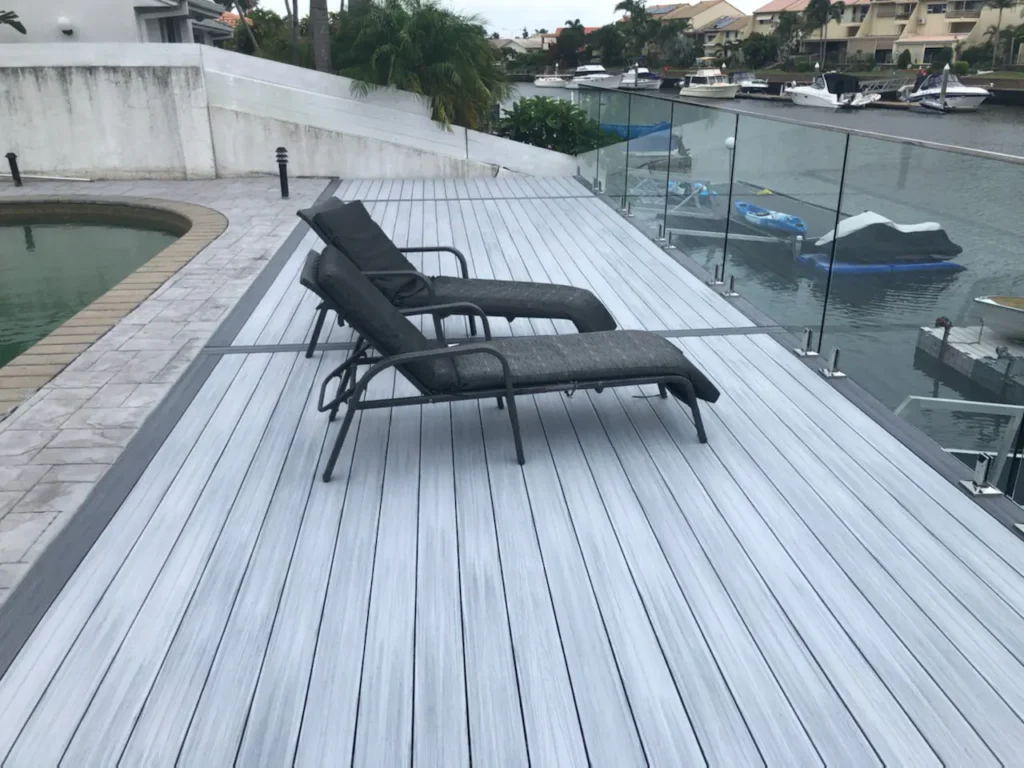
Decking is a popular solution for making the most out of your outdoor space. It is also the easiest way to create more living space in your home.
About 25 years ago, the decking industry was turned on its head with composite timber made from finely ground wood and discarded plastic bags; however, that has dramatically changed as there are plenty of other makers of synthetic decking, giving you many more viable options to choose from.
Choosing suitable decking can be difficult. Not only are you considering aesthetics and price, but also concerns about performance and maintenance. Decking can last for about ten years to 30 years if chosen rightly.
Usually, composite and timber can last for extended periods. However, unlike composite, some parts of the timber deck can be replaced. Composite decking, on the other hand, will need to be entirely replaced, which can be more expensive in the long run.
To enable you to make a wise decision, we’ve put together a list of the pros and cons of some decking materials in the article.
Whichever you decide to choose, however, insist that your installer use hot-dipped galvanized or, better still, a stainless steel joist hanger, screw, and clips on the deck framing, which will most likely be made from pressure-treated lumber.
Key Takeaways
- Composite decking: made from a blend of plastic and wood fibres giving a wood-like look with added durability.
- Composite decking tends to be more expensive than wood, and difficult stains or fading can be drawbacks.
- Pressure-treated wood decking: commonly used because of its lower cost and natural wood appearance; it is treated to resist rot, decay, mould, mildew and termites.
- However, pressure-treated wood requires regular sealing or staining and maintenance over time, and is prone to splintering or degradation if not maintained well.
- Cedar decking: offers a premium wood look, warm tone, and good natural insect resistance and durability, but like other wood needs regular sealing/staining and tends to be more expensive than basic wood decking.
- The “right” decking material depends on the balance of cost, maintenance effort, durability, appearance, and long-term performance — different materials suit different needs and budgets.
Composite
Composite decking has been the new range and most talked about type of decking. They are made from several materials, including plastic and wood fibers recycled from the woodworking industry.
Composite decking takes the appearance of natural wood and is just as durable! It is, however, quite expensive than wood decking, but the unique composition that makes it easily maintained and resistant to termites has compensated for that.
Composite is a natural beauty and does not need paints, stains, or sealers to maintain its attractive appearance. Also, it won’t split, splinter, or rot. Some brands can even be curved. Many are embossed on both sides, meaning they can be flipped over if marred.
As much as composite materials are suitable for decking, they also have their downside. One significant complaint people make regarding composite decking is that removing stubborn stains with a mild bleach solution or deck cleaner can be challenging.
Also, it is prone to fade, and most manufacturers do well to inform their customers before beginning the project. Composite decking in Sydney is also twice the weight of wood, so not ideal for roof decks.
Pressure-treated wood
As a result of its low cost, pressure-treated wood has become one of the most commonly used materials in the deck construction industry. It is real, natural, and beautiful. It is also treated to resist rot, fungal decay, mold, mildew, and termite damage.
But just like other wood products, pressure-treated wood should be sealed or stained regularly. If left unsealed, the wood will engulf and give off moisture, making the wood swell and contract as it dries out.
Also, the wood’s appearance tends to reduce over time due to the constant swelling and shrinking. It is also very prone to splintering.
Cedar decking
Cedar decking is one of the most used wood due to its natural look. It is made from a higher grade of lumber and is pressure-treated to ground contact level. Also, it has an attractive, wealthy, western, coastal cedar color, a warm tone, natural grain, and unique texture, with outstanding durability due to its insect resistance.
Cedar comes in various colors; you can change the color to match your home setting. But just like other materials, cedar needs to be sealed and stained regularly; it is also more expensive than pressure-treated wood.
Our Most Popular Pioneer Decking Styles
Pioneer decking sets a new standard in composite decking with its unmatched realism. Be sure to view our most popular Pioneer decking styles:
- 5.45m Spotted Gum Eva-Last Pioneer Composite Decking
- 5.45m Blackbutt Eva-Last Pioneer Composite Decking
FAQs
What are the main types of decking materials available?
There are several decking materials to choose from, including timber, composite, and PVC. Timber offers a natural look and feel but typically requires regular maintenance. Composite decking combines wood fibres and plastics to create a more durable, low-maintenance option. PVC decking is fully synthetic and designed for high resistance to moisture and wear. Each material has its own characteristics, and the best choice depends on factors such as appearance, maintenance preferences, and environmental conditions.
How do you choose the right decking material?
Choosing the right decking material involves considering your budget, desired appearance, and how much maintenance you are willing to handle. It is also important to think about the environment where the deck will be installed, including exposure to moisture and sunlight. Understanding how each material performs over time helps ensure the deck meets your expectations. Balancing these factors can guide you toward a material that suits both your lifestyle and outdoor space.
Is timber decking better than composite decking?
Timber and composite decking each have their advantages. Timber provides a natural aesthetic that many homeowners prefer, but it requires ongoing maintenance such as staining and sealing. Composite decking offers a more consistent appearance and is designed to be low maintenance, with resistance to moisture and pests. The better option depends on whether you prioritise natural appearance or convenience and long-term durability.
What factors affect the durability of decking materials?
Durability depends on the material itself as well as environmental exposure and maintenance. Factors such as moisture, sunlight, temperature changes, and general use can all impact how well the decking performs over time. Some materials are designed to resist these conditions more effectively, while others require more care to maintain their condition. Choosing a material suited to the environment helps improve longevity.
Does decking material impact maintenance requirements?
Yes, the type of decking material plays a significant role in how much maintenance is required. Timber often needs regular treatments to protect it from weather and wear, while composite and PVC options are designed to require less upkeep. Understanding these differences helps you choose a material that aligns with how much time and effort you are willing to invest in maintaining your deck.
Conclusion
Creating a deck in your home may be the ultimate boost you need to add value to your home. However, when choosing a decking material, consider its cost, maintenance, and durability level, as this will enable you to make the best choice that suits you and your family’s style.
Ezy Decking provides premium quality composite decking boards with 10 year structural warranty to Brisbane, Gold Coast, Sydney & Northern NSW. Contact us today for a free quote.
Related Articles
Benefits of Aluminium Framing for Composite Decking
Composite decking enhances Australian homes, offering stylish, multifunctional outdoor spaces with strong investment returns. Whether your home is rustic, Mediterranean,…
How to Turn a Concrete Slab or Patio into a Stunning Deck
If your concrete slab or patio feels boring, install a composite deck over it to create a stunning and functional…

Ultimate DIY Guide for Composite Decking
Premium composite decking gives Australian homeowners a cost-effective, visually appealing, and low-maintenance outdoor option. Whether for patios, balconies, pool areas,…