

 Decking Calculator





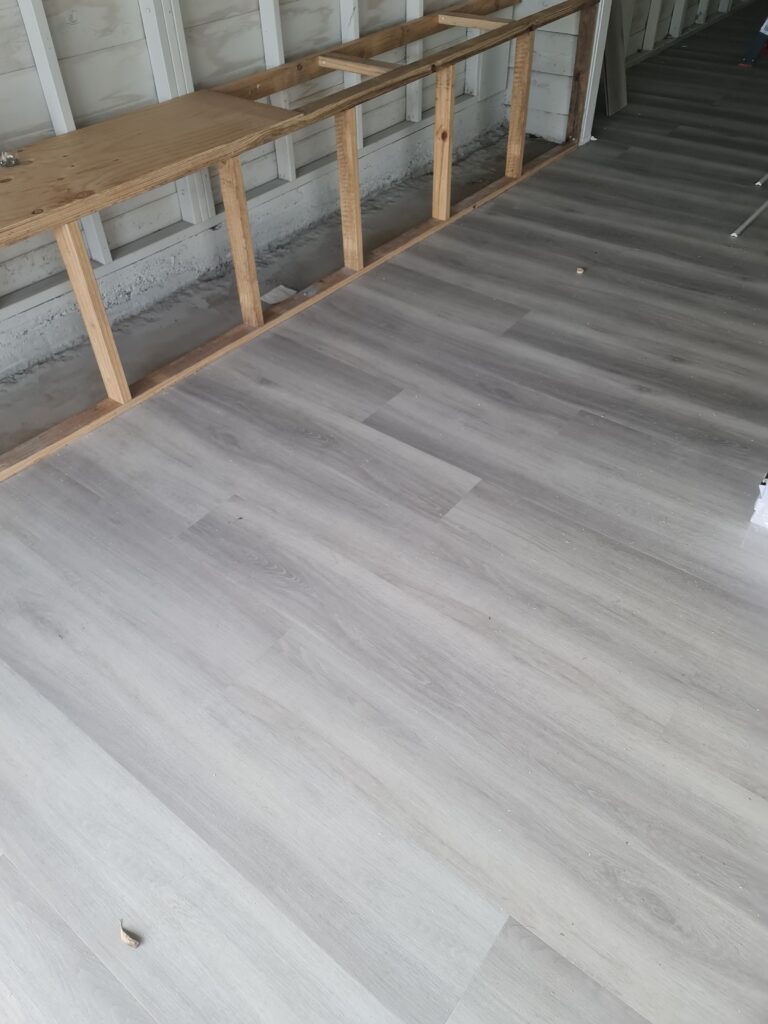
The days of homeowners needing to employ a deck builder in order to enjoy the advantages of having a great deck on their property are long gone. This shift is attributable to the availability of simple decking kits in stores and online, as well as articles like this one that explain how to build a deck for a home.
Planning and setting up the space where the deck will be placed are the first steps. This is accomplished by determining the location of the deck, cleaning the area of anything that can hinder the installation of the deck, and obtaining precise measurements based on the desired deck size for the homeowner.
The next stage is to determine the main elements of a deck and their purposes. These elements consist of:
- Joists: Where the decking planks will be joined, these pieces of wood have been set down.
- Joist frame: This is the structure that encompasses the joists.
- Decking board: This board is positioned horizontally. It’s used to build the deck’s floor.
- Balustrades and railings: They are used to secure the deck.
This article will describe how to construct a timber decking joist subframe as well as the significance of joist subframes or joist frames.
Key Takeaways
- The basic elements of a deck structure: joists, joist frame decking boards, and balustrades/railings.
- The importance of a joist subframe: it provides a sturdy structure for joists, protects timber from ground contact gives lateral rigidity, and prevents joists from sagging over time.
- Preparing the site: determine deck location, clear and clean the area, and take accurate measurements before starting.
- Steps to build a timber joist subframe: including establishing a drainage-friendly slope, laying joists, using connectors or hangers, installing noggins and properly placing posts, bearers and rails if building a raised or supported deck.
- For ground-level decks: build a “joist raft” on the drainage-prepared surface; for raised decks: use posts or bearers depending on ground type and deck design.
Importance of a Timber Decking Joist Sub Frame
When creating a deck, a joist subframe must be built for a variety of reasons. These motives consist of:
- For the installation of joists, joist sub-frames offer a sturdy structure.
- Timber used to make decks has an elevated structure thanks to subframes. This is due to the fact that some types of wood cannot be laid directly on the ground without risking harm from things like termites or water. Class-4 timbers are the type of wood that can be set directly on the ground.
- As a result of the lateral pattern in which the joists are put out horizontally, joist sub-frames provide lateral rigidity for the joists.
- Joists are prevented from drooping over time by the support that joist sub-frames give.
Steps for Building a Timber Decking Joist Sub Frame
- Any homeowner can build a timber decking joist subframe by following certain instructions. These actions comprise:
- To ensure proper water drainage, obtain the desired angle or gradient before laying the decking planks. If the homeowner wants to groove the decking planks, a gradient is necessary.
- On the calculated gradient, spread out the decking planks horizontally.
- Build a raft made of joists to sit on the drainage oversite (inclined decking boards from above). This process is specific to decks that are at ground level.
- Build a joist raft to rest on the drainage oversite (inclined decking boards from above). Ground-level decks only should use this approach.
- Install small, light-weight metal hangers or connectors where the inclined decking planks are lifted.
- Use noggins or connecting wood between each joist to add further rigidity to the subframe.
- Depending on choice, place newel posts around or on top of the joist subframe.
- Install the base and top rails such that the top rail is 900mm above the base rail between the newel posts.
- To space the railing spindles 120mm apart, use infills.
Our Most Popular Pioneer Decking Styles
Pioneer decking sets a new standard in composite decking with its unmatched realism. Be sure to view our most popular Pioneer decking styles:
- 5.45m Spotted Gum Eva-Last Pioneer Composite Decking
- 5.45m Blackbutt Eva-Last Pioneer Composite Decking
FAQs
What is a decking joist subframe?
A decking joist subframe is the structural framework that supports the decking boards. It consists of joists and bearers that create a stable base for the deck surface. This framework distributes weight evenly and helps maintain the deck’s shape and strength over time. A well-built subframe is important for ensuring the deck remains secure and performs as intended, especially in outdoor conditions.
Why is the subframe important in timber decking construction?
The subframe plays a critical role in the overall stability and longevity of a timber deck. It supports the decking boards and ensures they are evenly spaced and properly aligned. If the subframe is not constructed correctly, it can lead to issues such as sagging, movement, or uneven surfaces. A strong and well-designed subframe helps maintain the integrity of the deck and reduces the likelihood of structural problems.
What materials are used for a timber decking subframe?
Timber is commonly used for decking subframes, often treated to withstand outdoor conditions. Treated timber helps resist moisture, decay, and pests, which are important factors in outdoor environments. The choice of material affects the durability and performance of the subframe. Using suitable materials ensures the structure can support the decking and remain stable over time.
How does spacing affect a decking subframe?
Proper spacing of joists is important for supporting the decking boards and preventing movement. If the spacing is too wide, the boards may flex or feel unstable underfoot. Correct spacing ensures the load is evenly distributed and provides a solid surface. Following recommended spacing guidelines helps maintain the deck’s performance and prevents long-term issues.
Does a well-built subframe affect the lifespan of a deck?
Yes, the quality of the subframe has a direct impact on the lifespan of a deck. A strong and properly constructed subframe supports the decking boards and helps prevent structural issues over time. Poor construction can lead to premature wear or failure.
Conclusion
The next step is taking care of and maintaining your deck after making and installing the joist subframes. Therefore, it is crucial that the homeowner understands what is required in caring for a deck, especially one made of timber, before installing one in their home.
Looking to have a deck installed in your own home in Sydney, Brisbane or the Gold Coast? Get in touch with Ezy Decking today for advice on which decking boards to choose.
Related Articles
Benefits of Aluminium Framing for Composite Decking
Composite decking enhances Australian homes, offering stylish, multifunctional outdoor spaces with strong investment returns. Whether your home is rustic, Mediterranean,…
How to Turn a Concrete Slab or Patio into a Stunning Deck
If your concrete slab or patio feels boring, install a composite deck over it to create a stunning and functional…

Ultimate DIY Guide for Composite Decking
Premium composite decking gives Australian homeowners a cost-effective, visually appealing, and low-maintenance outdoor option. Whether for patios, balconies, pool areas,…